Other Metal-Related Manufacturing

Central Taiwan Plumbing Hardware Manufacturer
Process Line-side Warehouse
Features
Medium-Sized 6-Meter Automated Storage System for Improved Line-side Warehouse Management Efficiency
Centralized Tool Management to Improve Handling of Diverse Specifications
Position Indication Function to Reduce Picking Errors
Account-Based Access Control to Strengthen Material Storage and Retrieval Security
Real-Time Material Information Updates to Reduce Inventory Discrepancies
Vertical Storage Design to Reduce Floor Space Requirements
Shared Management of Tools and WIP to Improve Equipment Utilization

Description

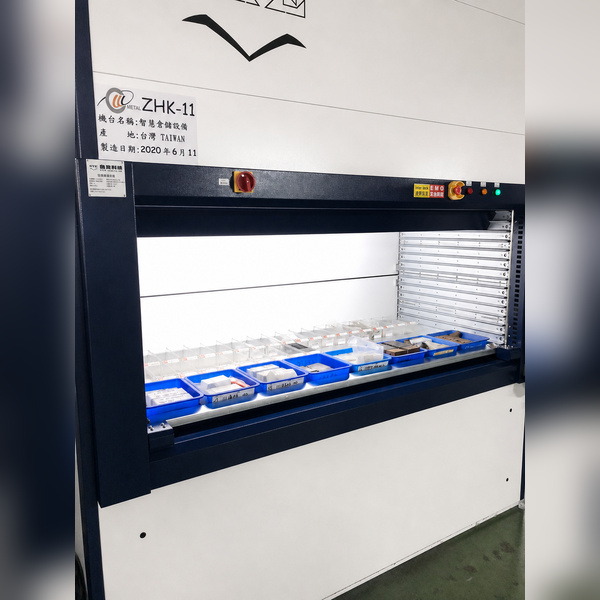
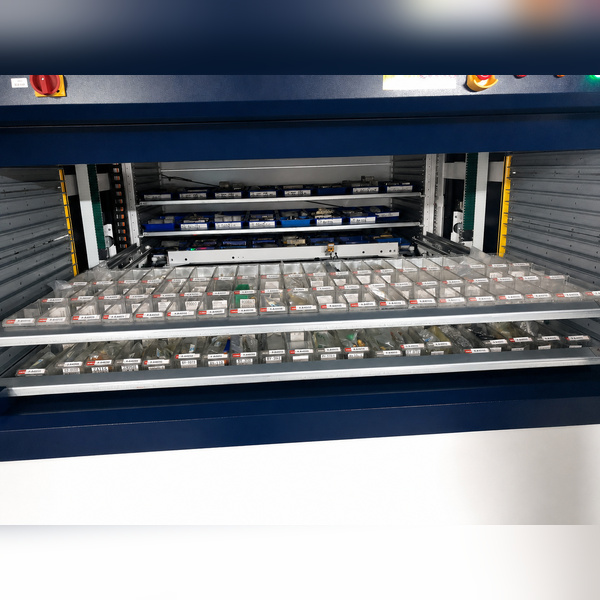
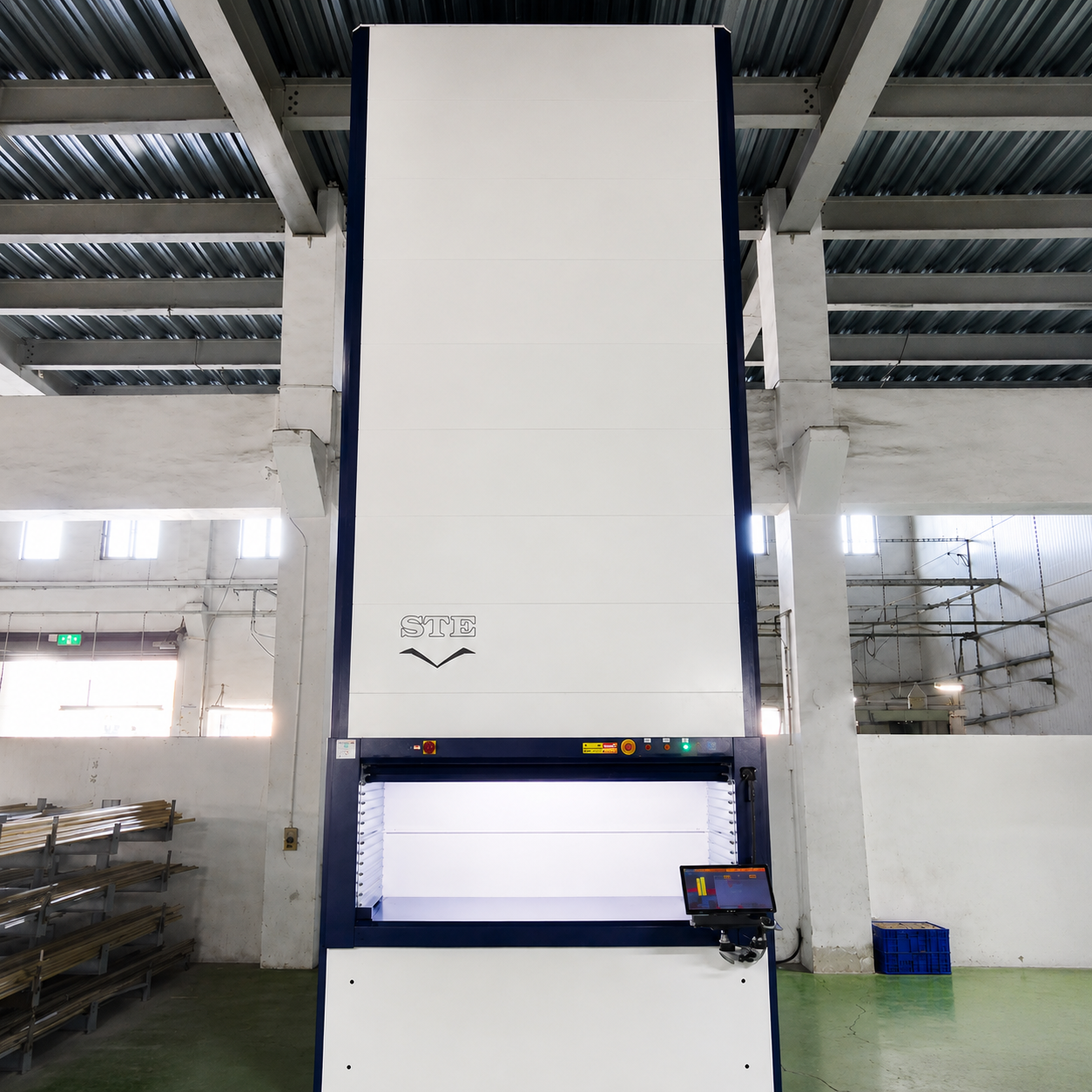
This project features the implementation of an automated storage system for the process line-side warehouse of a plumbing hardware manufacturer in Central Taiwan. The system is a medium-sized 6-meter model with a single-load capacity of 300 kg, designed for the storage, classification, and inbound/outbound management of cutting tools and semi-finished products.

Before the upgrade, the customer stored cutting tools and semi-finished products on conventional steel racks. This setup often made it difficult to identify specifications accurately, while open racking also limited material control. In addition, inventory discrepancies and excessive floor space usage had become challenges in daily operations.

To improve on-site material management, JY STE Technology introduced a medium-sized 6-meter vertical automated storage system equipped with position indication, account-based access control, and real-time inventory updates.

After implementation, cutting tools and semi-finished products can be centrally stored and managed through the system. This reduces manual identification errors and material search time while making better use of the factory’s vertical space. As a result, process line-side warehouse management becomes more accurate, secure, and efficient.

Added to Inquiry list.
 
 
LINE-SIDE STORAGE CASE STUDY

Central Taiwan Water Hardware Factory
6-Meter Medium-Duty 300 kg Automated Storage System for a Process Line-Side Warehouse

This project involved the implementation of an automated storage system in the process line-side warehouse of a water hardware manufacturer in Central Taiwan. The system is primarily used to manage tools and semi-finished products. Before implementation, these materials were stored on conventional steel shelving, resulting in inefficient management, difficulty identifying tool specifications, discrepancies between recorded and actual inventory, and excessive floor-space usage. Following the implementation of a 6-meter medium-duty automated storage system with a 300 kg load capacity, location indication, user account access control, real-time inventory updates, and high-density vertical storage significantly improved line-side material management efficiency and space utilization.

6 m
System Height
300 kg
Load Capacity
Tools
Centralized Management
WIP
Semi-Finished Product Storage
PROJECT OVERVIEW

Case Study Overview

The water hardware manufacturer originally stored production tools and semi-finished products on conventional steel shelving. Because the tools came in numerous specifications with similar appearances, they were difficult to identify visually. In addition, the open shelving provided insufficient access control, resulting in poor material traceability, discrepancies between physical inventory and system records, and inefficient use of factory floor space. JY STE evaluated the site requirements and implemented a 6-meter medium-duty automated storage system with a 300 kg load capacity. The system centralizes tool storage, uses the remaining capacity for semi-finished products, and improves line-side warehouse operations through location indication, account-based access control, and real-time inventory updates.

Industry
Water Hardware Manufacturing
Application Area
Process Line-Side Warehouse
System Specification
Medium-Duty, 6 m
Load Capacity
300 kg
BEFORE / AFTER

Key Differences Before and After Implementation

The line-side warehouse was upgraded from conventional shelving and manual identification to centralized tool management, location indication, controlled access, and real-time inventory updates.

Before|Conventional Steel Shelving

Before implementation, tools and semi-finished products were stored on conventional steel shelving. The wide range of tool specifications, similar tool appearances, and open shelving design created problems related to material retrieval, identification, access control, and inventory accuracy.

  • Tools and semi-finished products were stored on conventional steel shelving and were difficult to manage
  • Numerous tool specifications and similar appearances made visual identification difficult
  • Open tool racks provided insufficient control over tools and semi-finished products
  • Actual inventory quantities could not be accurately tracked, resulting in discrepancies
  • Conventional shelving occupied excessive floor space and reduced factory-space utilization

After|6-Meter Smart Line-Side Storage System

After implementing the 6-meter medium-duty automated storage system with a 300 kg load capacity, tools can be managed centrally while the remaining storage capacity is used for semi-finished products. Location indication, account-based access, and real-time inventory information improve material-management accuracy.

  • The 6-meter medium-duty automated storage system centralizes tool management
  • Remaining storage capacity is used to manage semi-finished products
  • Location indication eliminates the need for manual visual identification
  • Personnel must enter individual account credentials before accessing materials
  • Tool and semi-finished product status can be tracked in real time
  • Warehouse material information is updated immediately to reduce inventory discrepancies
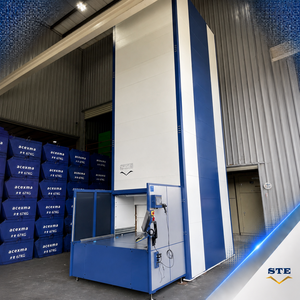
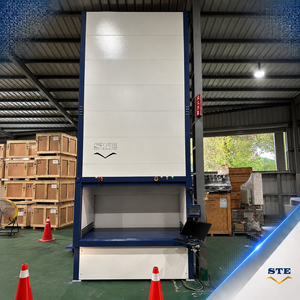
  • Materials are stored vertically to fully utilize the available factory height

1. Management Challenges Before Automated Storage Implementation

01

Difficult Conventional-Shelving Management

Production tools and semi-finished products were originally stored on conventional steel shelving. Materials were insufficiently centralized, resulting in inefficient management and retrieval.

02

Difficult Tool Identification

The wide range of tool specifications and similar appearances made manual visual identification time-consuming and increased the risk of selecting the wrong tool.

03

Insufficient Control with Open Shelving

The conventional tool racks used an open design, making it difficult to control access to tools and semi-finished products or accurately track personnel usage.

04

Inventory Record Discrepancies

The conventional management method could not provide real-time visibility into actual quantities, resulting in discrepancies between inventory records and physical stock.

05

Excessive Floor-Space Usage

Conventional shelving required a large amount of horizontal floor space, reducing factory-space utilization and affecting production-area layout and workflow.

2. Solution: 6-Meter Medium-Duty 300 kg Automated Storage System

Based on the process line-side warehouse requirements of the water hardware manufacturer, JY STE implemented a 6-meter medium-duty automated storage system with a 300 kg load capacity. The system centralizes tool storage while using the remaining capacity to manage semi-finished products. Through location indication, account-based access control, and real-time inventory updates, the system reduces the workload associated with manual identification and improves the accuracy of tool and semi-finished product management.

Centralized Tool Management

The 6-meter medium-duty automated storage system centralizes tools in one controlled location, eliminating the problems associated with scattered storage and inefficient retrieval.

Semi-Finished Product Management

In addition to tools, the system's remaining storage capacity is used for semi-finished products, creating a more comprehensive line-side material-management solution.

Location Indication

The automated location-indication function guides personnel to the correct storage position, reducing errors and time lost through manual visual identification.

Account-Based Access Control

Personnel must enter individual account credentials before storing or retrieving materials, enabling tool and semi-finished product activity to be tracked and controlled.

3. Improvements After Automated Storage Implementation

Centralized Tool Storage

After implementation, tools are stored centrally within the automated storage system, improving management efficiency and reducing scattered storage across the production area.

Reduced Manual Identification Errors

Location indication eliminates the need to identify tool specifications based solely on appearance, reducing incorrect retrieval and selection errors.

Improved Access Control and Traceability

Personnel must enter account credentials before accessing the system, allowing the status and movement of tools and semi-finished products to be tracked in real time.

Fewer Inventory Discrepancies

Warehouse material information is updated in real time, enabling managers to monitor actual quantities and reduce discrepancies between inventory records and physical stock.

Significantly Reduced Floor-Space Usage

Materials are stored vertically to make full use of the factory's available height, significantly reducing the floor area required by conventional shelving.

 
LINE-SIDE SMART STORAGE VALUE

4. Upgrading the Process Line-Side Warehouse from Conventional Shelving to Smart Management

Effective line-side warehouse management in the water hardware industry depends on whether tools can be located, identified, accessed, and tracked quickly, accurately, and securely. Through the implementation of a 6-meter medium-duty automated storage system with a 300 kg load capacity, this project upgraded tool and semi-finished product management from conventional open shelving to a centralized smart line-side storage model featuring access control, location indication, and real-time inventory updates. The system reduces manual identification errors while improving factory-space utilization.

Location Indication

Reduces the risk of incorrect tool identification based on appearance.

Account-Based Access

Requires authorized login and enables the status of tools and semi-finished products to be tracked.

Vertical Storage

Fully utilizes the factory's available height and reduces horizontal shelving space.

BENEFITS

Summary of Implementation Benefits

Centralized Tool Management

Tools are stored centrally within the automated storage system, improving the inefficient management associated with conventional shelving.

Reduced Incorrect Material Retrieval

Location indication reduces errors when personnel identify and retrieve tools with similar appearances.

Improved Inventory Accuracy

Real-time material-information updates reduce discrepancies between recorded quantities and physical inventory.

Improved Space Utilization

Vertical material storage reduces the horizontal floor area required by conventional shelving.

Applicable Industries and Application Areas

Water Hardware Manufacturing Metalworking Industry Process Line-Side Warehouse Tool Management Semi-Finished Product Management 6-Meter Medium-Duty Automated Storage Location-Guided Retrieval Account-Based Access Control
JYSTE SMART STORAGE SOLUTION

Looking to Improve Tool and Semi-Finished Product Management in Your Process Line-Side Warehouse?

JY STE provides automated storage, smart storage, and line-side material-management solutions based on tool specifications, semi-finished product dimensions, factory height, access-control requirements, and inventory-management needs.

Contact Apex Equipment | www.jyste.tw
TOP