0
0



Rotating Automated Storage
Build an Efficient Goods-to-Person Retrieval System
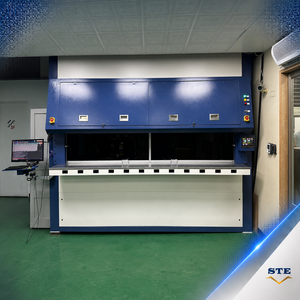
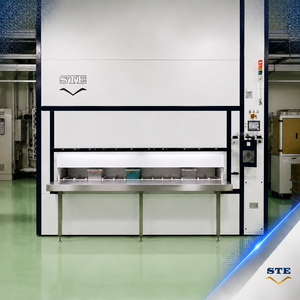
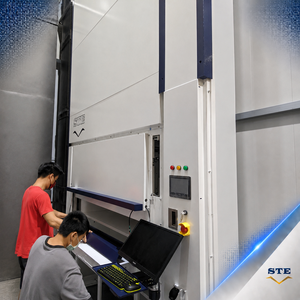
The rotating automated storage system uses a vertical carousel design similar to a Ferris wheel. It can rotate clockwise or counterclockwise as required, quickly delivering designated materials directly to the operator. This effectively reduces search time, improves space utilization, and simplifies material management compared with conventional shelving.
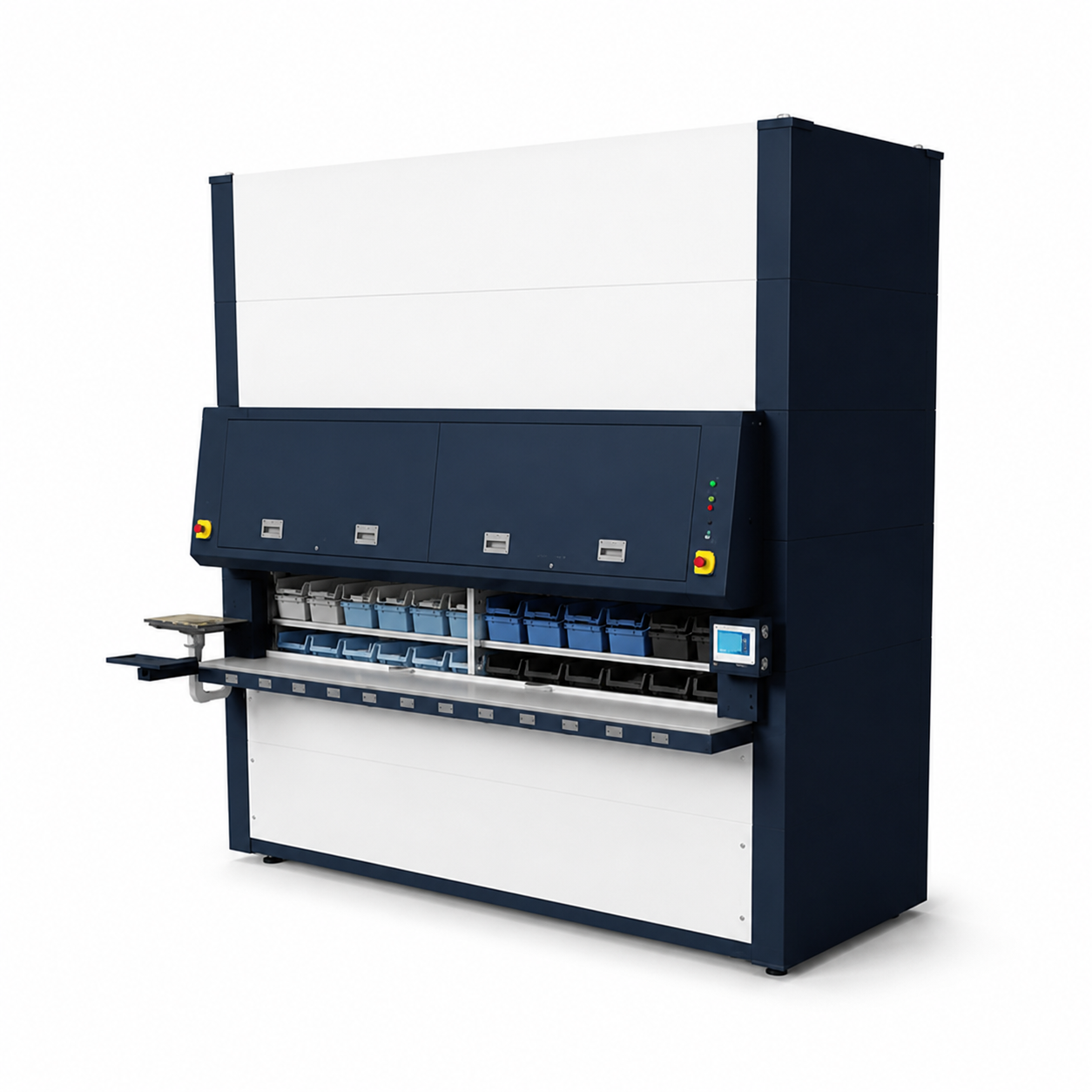
What Is a Rotating Automated Storage System?
Suitable for material management, line-side storage, tool storage, work-in-process, finished goods, and document archiving. It provides flexible configuration, simple operation, precise control, and high-density storage.
Vertical Carousel Design for Maximum Space Utilization
The system stores and retrieves materials through a vertical rotating structure, making effective use of building height and reducing the floor space required by conventional shelving. It is well suited to offices, line-side storage areas, basements, and irregular spaces where efficient space utilization is essential.
Integrated Information Management for Greater Inventory Visibility
The system can integrate data collection, real-time information, historical tracking, and access control. This enables enterprises to monitor material movements, improve inventory visibility and traceability, and reduce manual recording errors and material loss.
Key Features of the Rotating Smart Storage System
By combining a carousel structure with intelligent management, the system transforms operations from “person-to-goods” to “goods-to-person,” improving efficiency and strengthening material control.
Space Saving
Uses vertical height efficiently, reduces the footprint of conventional racks and cabinets, and alleviates storage space constraints.
Fast Access
Materials are automatically delivered to the access opening, reducing walking and search time while improving line-side replenishment and picking efficiency.
Precise Management
Records material movements, users, timestamps, and historical data to improve inventory visibility and management accuracy.
Access Control
Access permissions can be configured by user, department, or material category to reduce incorrect picking, loss, and unauthorized access.
Applications of Rotating Automated Storage
Suitable for a wide range of storage and material management applications. It can replace conventional shelving, bin racks, and manual search processes while reducing dust exposure, picking errors, and material damage.

Production Line-Side Storage
Ideal for managing parts, consumables, and work-in-process materials beside production lines, improving replenishment and picking efficiency.
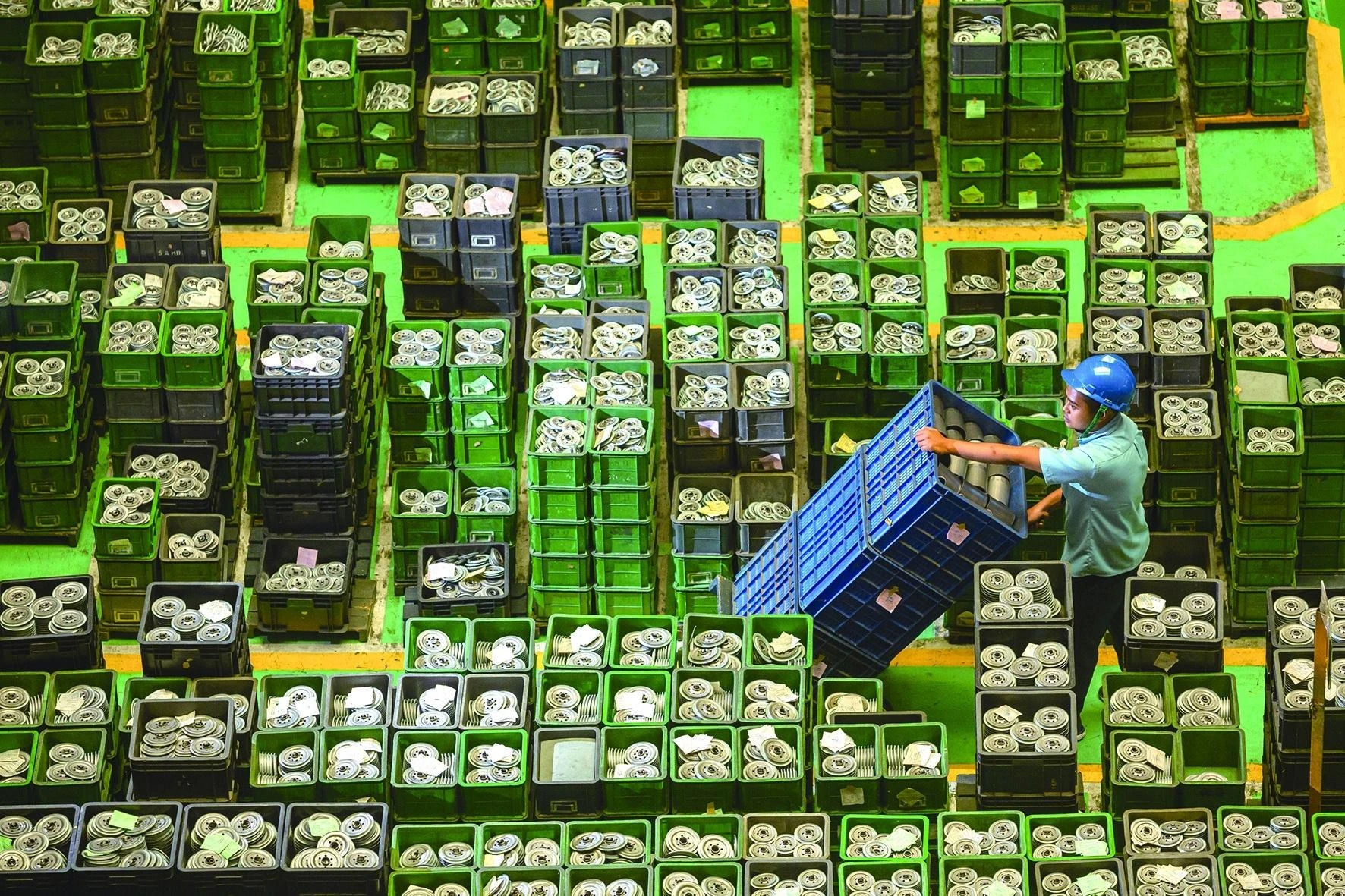
Spare parts / Finished Products Cabinet
Suitable for categorized storage of small parts, work-in-process, and finished goods, with system records that strengthen inventory control.
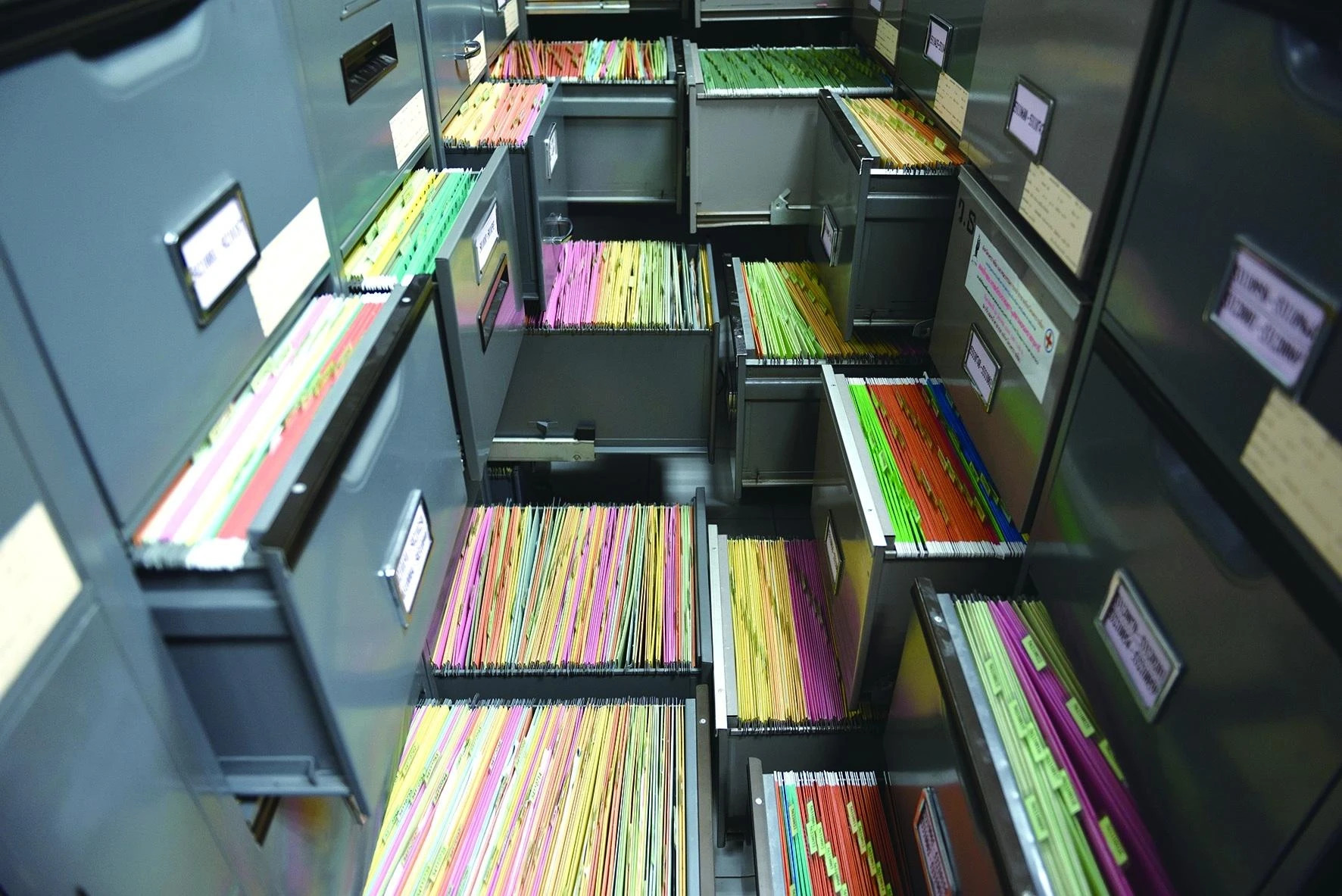
File and Stationery Cabinet
Suitable for centralized storage and access control of documents, contracts, drawings, archives, and office supplies.
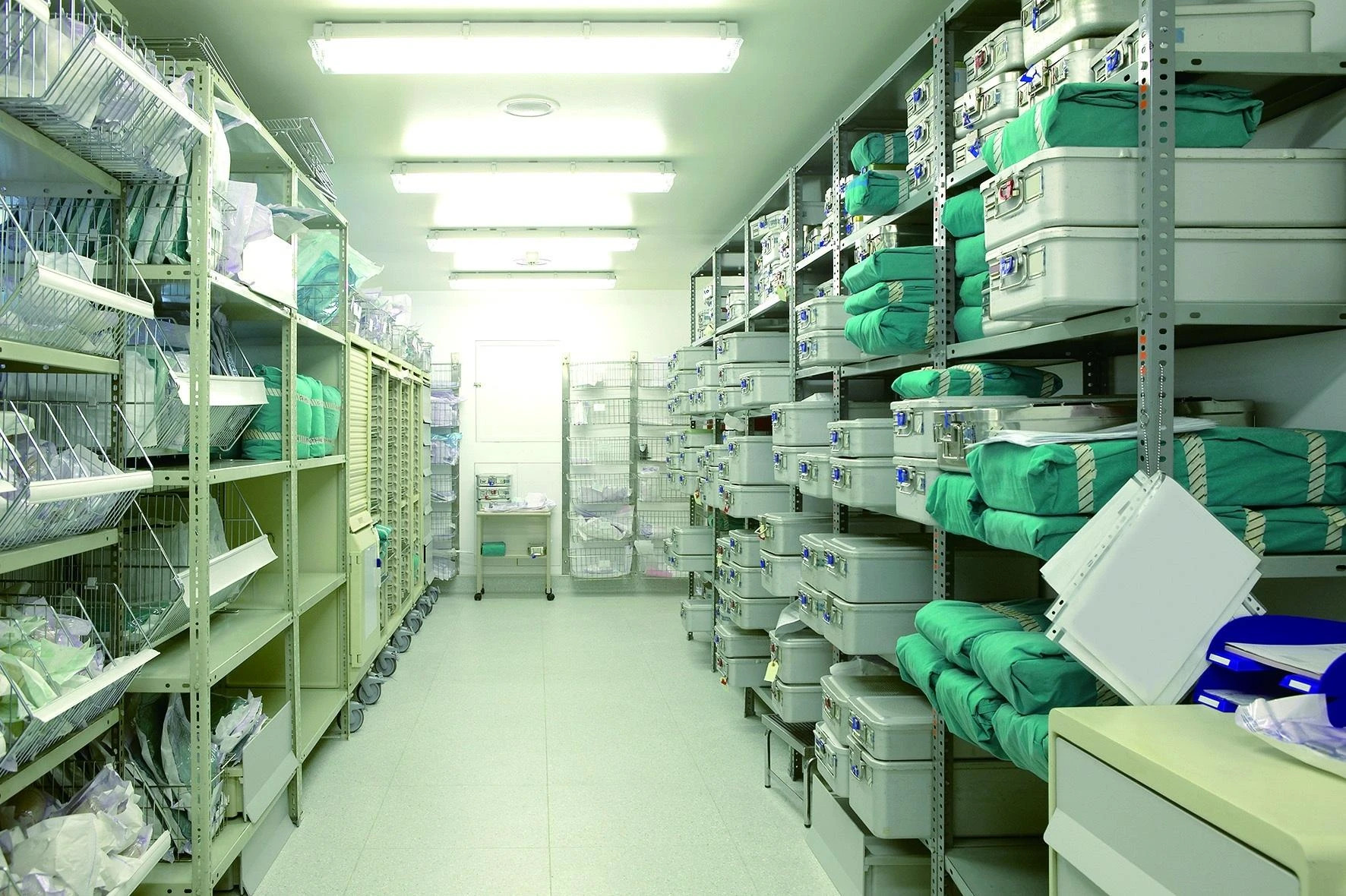
Pharmaceutical Materials Cabinet
Applicable to medical consumables, instruments, and spare supplies, improving usage records and management efficiency.
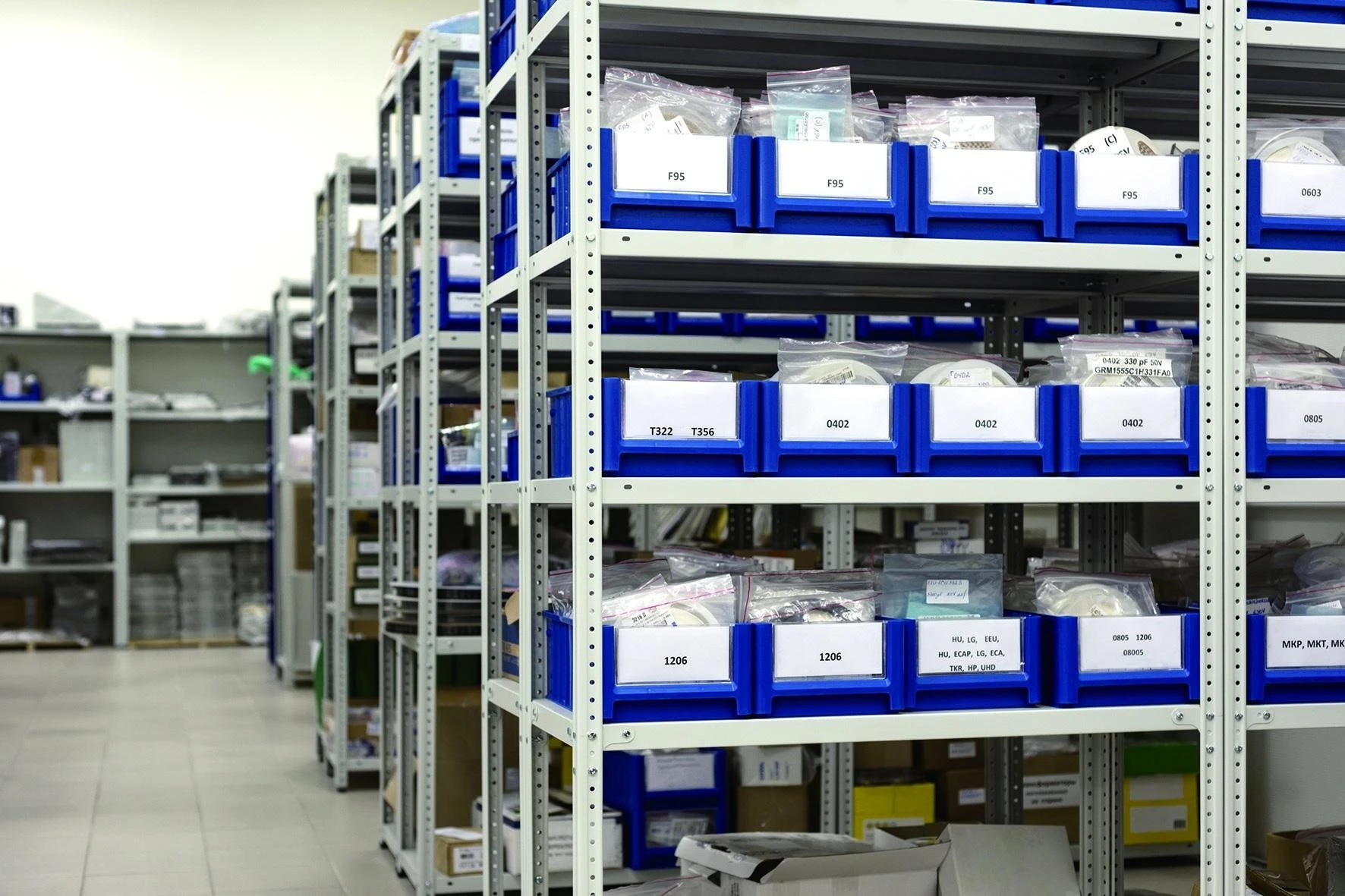
Material / Tool Cabinet
Ideal for managing tools, fixtures, cutting tools, maintenance spares, and raw materials while reducing incorrect picking and loss.
Light-Duty / Heavy-Duty Model Specifications
Two model ranges are available—SRS light-duty cabinets and SRB heavy-duty cabinets—based on material weight, storage capacity, equipment height, and site conditions.
SRS Light-Duty Cabinet
Suitable for documents, parts, tools, consumables, and small- to medium-sized materials. It provides flexible configuration, space-saving storage, and fast access.
SRB Heavy-Duty Cabinet
Suitable for heavier materials, tools, fixtures, molds, spare parts, and production-line materials, providing higher load capacity and a wider range of carrier configurations.
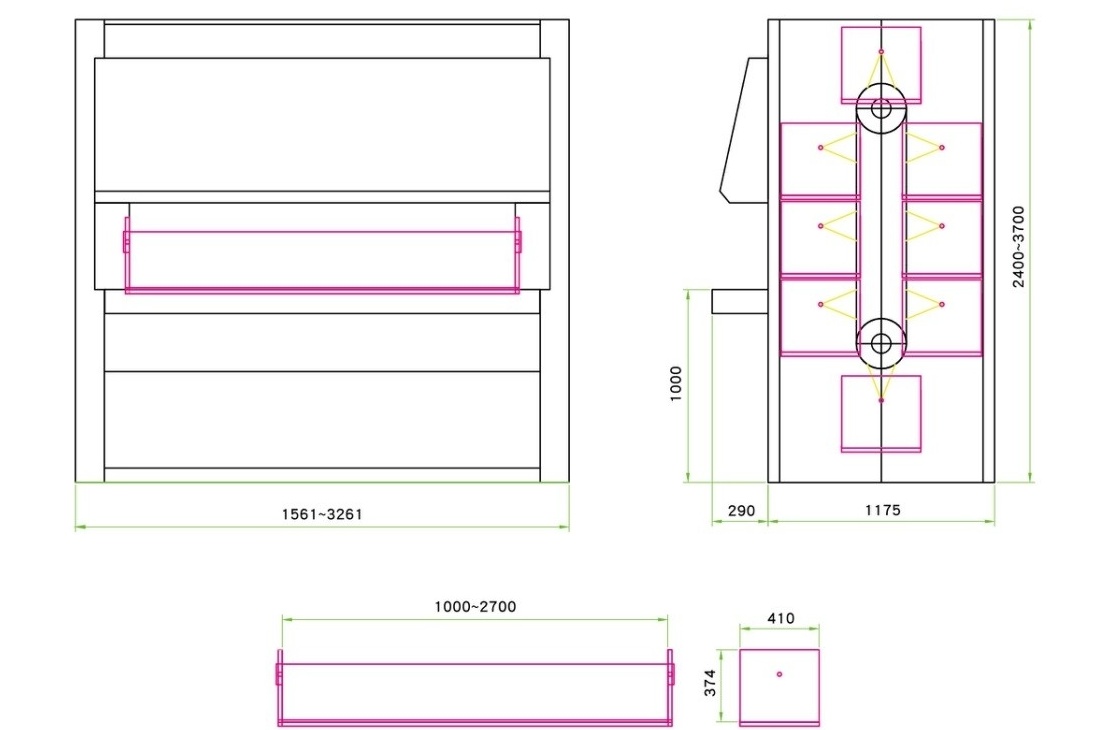
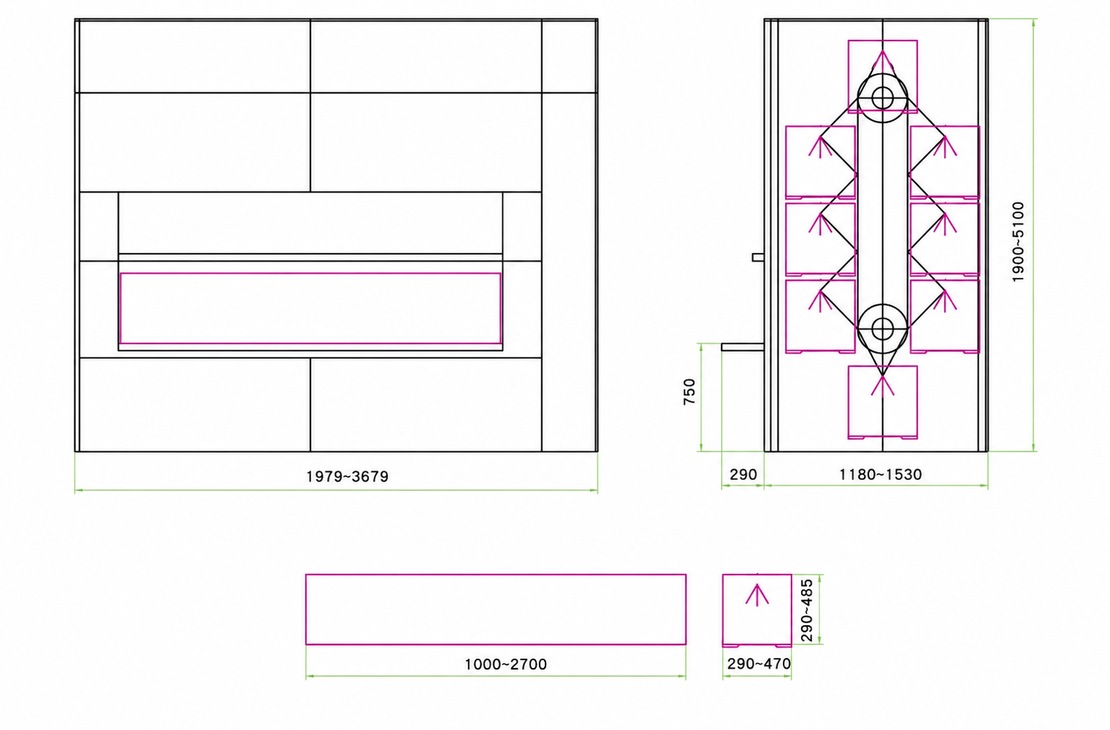
| Item | SRS Light-Duty Cabinet | SRB Heavy-Duty Cabinet |
|---|---|---|
| Model Range | SRS8-SRS14 | SRB6-SRB16 |
| Equipment Depth | 1175 mm | 1180 / 1320 / 1530 mm |
| Equipment Width | 1560.9-3260.9 mm | 1979-3679 mm |
| Equipment Height | 2400-3700 mm | 1900-5100 mm |
| Number of Carriers | 8–14 carriers | 6–16 carriers |
| Carrier Height | 374 mm | 290 / 370 / 485 mm |
| Carrier Depth | 410 mm | 290 / 380 / 470 mm |
| Carrier Width | 1000-2700 mm | 1000-2700 mm |
| Load per Carrier | 100 kg | 250 kg |
| Rotation Speed | 140 mm/sec | 140 mm/sec |
| Footprint | 1.83-3.83 m² / 0.55–1.16 ping | 2.34-5.63 m² / 0.71–1.70 ping |
| Rated Voltage | 3-phase, 3-wire, 220 V | 3-phase, 3-wire, 220 V |
Note: All dimensions can be customized to suit site requirements. Final specifications are subject to project planning and approved design drawings.
Installation Environment Requirements
Before installation, site height, floor load capacity, equipment access routes, and material dimensions should be evaluated to ensure stable installation and operation.
Dimensions and Design Drawing Reference
Reference drawings for light-duty and heavy-duty structures provide overall dimensions, storage dimensions, and installation clearances for engineering planning and site evaluation.
Light-Duty Cabinet Drawing | SRS
Heavy-Duty Cabinet Drawing | SRB
Frequently Asked Questions
The following answers address common questions before implementing rotating automated storage, smart warehousing, or intelligent storage systems.
Q1: What materials are suitable for a rotating automated storage system?
It is suitable for parts, tools, spare supplies, work-in-process, finished goods, documents, consumables, and line-side production materials. The configuration can be planned according to industry and site requirements.
Q2: What operational improvements can rotating smart storage provide?
It reduces walking and search time, increases material retrieval speed, and uses system records to improve inventory visibility, picking accuracy, and operational traceability.
Q3: How should I choose between a light-duty and heavy-duty cabinet?
Choose the SRS light-duty model for documents, small parts, consumables, and lighter materials. Choose the SRB heavy-duty model for tools, fixtures, materials, spare parts, and heavier items.
Q4: Can the equipment dimensions be customized?
Yes. Equipment dimensions, number of carriers, carrier width, and carrier height can be customized according to site space, material dimensions, and operational requirements.
Q5: Can a rotating intelligent storage system include access control?
Yes. Access permissions can be configured by user, department, or material category to reduce incorrect picking, loss, and unauthorized access.
Planning a Rotating Automated Storage System?
Based on your site height, material dimensions, unit weight, required storage capacity, and management needs, we can evaluate the most suitable light-duty or heavy-duty configuration and develop a smart storage solution aligned with your operating process.
Contact Us for Consultation