Other Electronic Components-Related Industry

Passive Component Manufacturer

Line-side Warehouse
Features
4-Meter Carousel Automated Storage System for Improved Line-side Warehouse Management Efficiency
Centralized Small Material Management to Improve Material Search Efficiency
Warehouse Management System to Strengthen Separated Material Management
Account-Based Access Control to Improve Material Storage and Retrieval Security
Computerized Material Information to Reduce Inventory Discrepancies
Full Use of 4-Meter Height to Improve Space Utilization
Output Port Operation to Reduce High-Level Material Retrieval Risks
Supports FIFO Management to Reduce Re-stacking and Material Search Time

Description

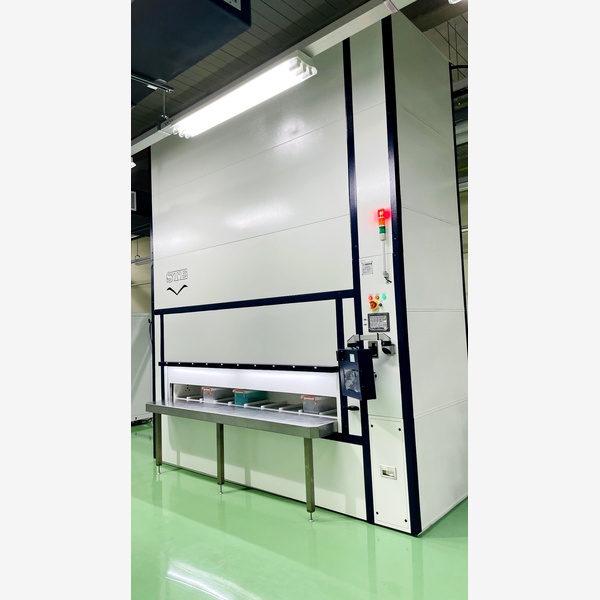
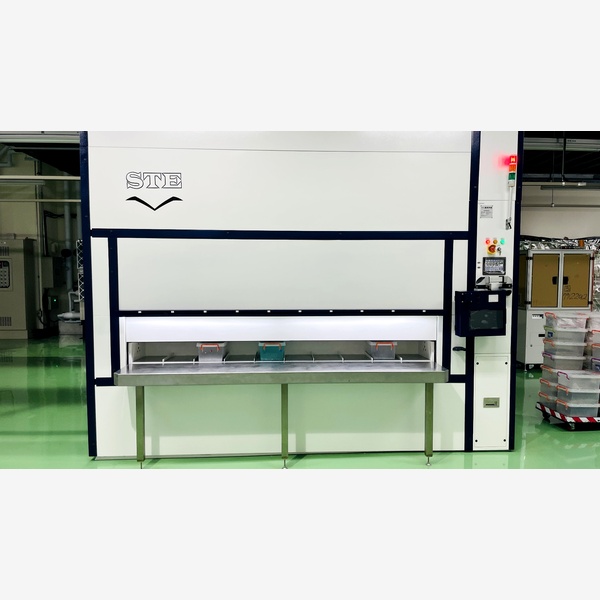
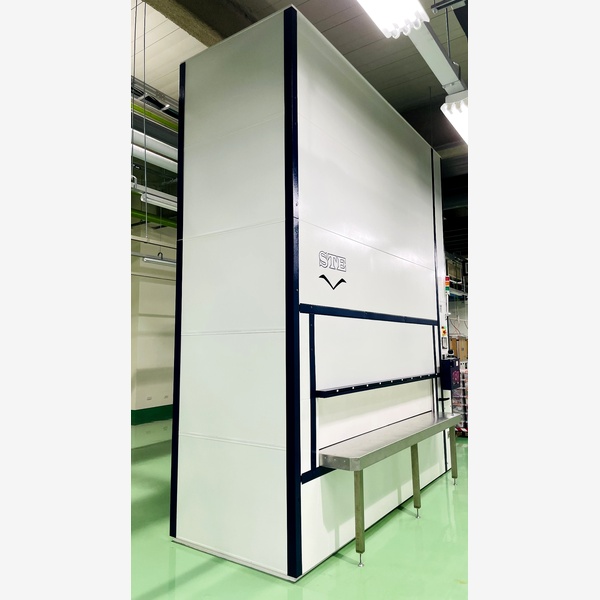
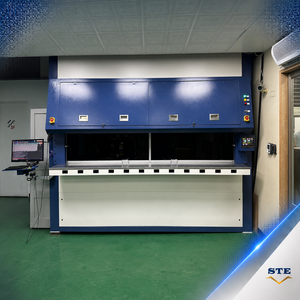
This project is a carousel automated storage system implementation case for the line-side warehouse of a passive component manufacturer. The equipment specification is a 4-meter-high system with a single-load capacity of 250 kg. It is mainly used for the centralized storage, classification management, and inbound/outbound operations of small line-side materials.

The customer originally used traditional racking for material management, which often caused issues such as a wide variety of material types, difficulty in finding materials, poor control of small items, difficulty in distinguishing access permissions, inventory discrepancies, insufficient space utilization, and safety risks when retrieving materials from high locations.

In response to these challenges, JY STE Technology planned the implementation of a carousel automated storage system. Integrated with a warehouse management system, account-based access control, real-time inventory updates, and automatic transfer output functions, the solution helps improve line-side warehouse management efficiency.

After implementation, materials can be centrally managed through the smart warehousing system. Operators only need to perform storage and retrieval operations at the output port, reducing manual material searches, re-stacking, and the risks of high-level material retrieval, while improving space utilization, inventory accuracy, and overall line-side operational efficiency.

Added to Inquiry list.
 
 
PASSIVE COMPONENTS LINE-SIDE CASE STUDY

Passive Component Manufacturer | Line-Side Warehouse
4 m, 250 kg Rotary Automated Storage System Case Study

This case study covers the implementation of a rotary automated storage system in the line-side warehouse of a passive component manufacturer. The customer previously stored small parts and a wide variety of materials on conventional shelving, which made inventory control, item retrieval, access authorization, stock accuracy, space utilization, and high-level picking difficult. After one 4 m rotary automated storage system was installed, the warehouse management system, account-based access control, real-time inventory updates, and ergonomic access-point operation improved small-parts management while reducing restacking, search time, and wasted floor space.

4 m
System Height
250 kg
Load Capacity
1 Unit
Rotary Smart Storage
FIFO
FIFO Inventory Management
PROJECT OVERVIEW

PROJECT OVERVIEW

The line-side warehouse handled many types of materials, most of them small components. Under the original shelving-based method, items were dispersed, difficult to locate, hard to control by user authorization, and prone to inventory discrepancies and time-consuming restacking. JY STE therefore implemented one 4 m rotary automated storage system to centralize these materials. The warehouse management system supports compartment-based organization, account and password access control, real-time status tracking, and first-in, first-out management, making small-part storage and retrieval simpler, more accurate, and safer.

Industry
Passive Components
Application
Line-Side Warehouse
System Type
Rotary Automated Storage
System Specification
4 m / 250 kg
BEFORE / AFTER

Key Differences Before and After Implementation

The operation was upgraded from conventional shelving and manual searching to rotary smart storage with access control, ergonomic access-point operation, and FIFO inventory management.

Before | Conventional Shelving

Before implementation, line-side materials were stored on conventional shelving. A wide variety of small parts, limited shelving height, and stacked inventory led to lengthy search times, inventory discrepancies, and operational safety risks.

  • Conventional shelving made material control difficult.
  • A wide variety of materials made items difficult to locate.
  • Small parts were difficult to control, and access permissions could not be assigned effectively.
  • Actual quantities could not be confirmed reliably, resulting in inventory discrepancies.
  • Limited shelving height left upper-level space unused.
  • Retrieving materials from higher levels required a self-propelled lift, increasing both handling time and safety risk.
  • Materials were stacked to save space, but had to be rearranged during retrieval.

After | 4 m Rotary Smart Storage

After one 4 m rotary automated storage system was installed, materials were brought under system-based management. Digital transaction records, compartment-based organization, account-controlled access, and real-time inventory updates improved line-side warehouse efficiency.

  • One 4 m rotary automated storage system centralizes materials under controlled storage management.
  • Digital storage and retrieval records improve traceability and visibility.
  • The warehouse management system supports compartment-based material organization.
  • Users must log in with an individual account and password, enabling access control.
  • Material status can be tracked in real time.
  • Real-time inventory updates reduce discrepancies between system records and physical stock.
  • The 4 m system uses vertical space to improve storage density.
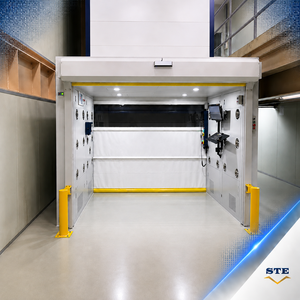
  • Operators work only at the access point, while the system automatically delivers the requested materials.
  • FIFO management eliminates unnecessary restacking and retrieval delays.

1. Management Challenges Before Automated Storage Implementation

01

Difficult Material Control with Conventional Shelving

With conventional shelving, storage and retrieval activity could not be monitored in real time, leaving on-site management heavily dependent on manual processes.

02

A wide variety of materials made items difficult to locate.

The line-side warehouse contained numerous small parts in different specifications. Unclear storage locations increased item-search time.

03

Ineffective Small-Part and Access Management

Small parts were difficult to control, and usage permissions could not be assigned by item, increasing the risk of incorrect or unauthorized withdrawal.

04

Inventory Discrepancies

Actual quantities could not be confirmed in real time, causing differences between system records and physical inventory.

05

Low Space Utilization

Conventional shelving could not use the available vertical space effectively, resulting in low facility space utilization.

06

Risks of High-Level Picking

Retrieving materials from higher levels required a self-propelled lift, which was time-consuming and increased operational risk.

07

Material Stacking and Restacking

Materials were frequently stacked to improve space utilization, but retrieving them required repeated restacking and wasted time.

2. Solution: 4 m, 250 kg Rotary Automated Storage System

Based on the customer’s line-side small-parts management requirements, JY STE installed one 4 m rotary automated storage system. The solution centralizes materials under systematic control and uses the warehouse management system for compartment-based organization, account and password authorization, material status tracking, and real-time inventory updates. Operators complete storage and retrieval at the access point, reducing high-level picking, restacking, and manual search time.

Digital Storage and Retrieval Records

Once materials are stored in the rotary smart storage system, all storage and retrieval transactions are recorded digitally for clearer inventory management.

Compartment-Based Material Organization

The warehouse management system separates materials by type, specification, or application for more efficient classification.

Account-Based Access Control

Each operation requires an authorized user account and password. Access can be controlled by user or material, while inventory status is tracked in real time.

Safe Access-Point Operation

Operators work only at the access point, where requested materials are delivered automatically, reducing the risks associated with high-level picking and restacking.

3. Improvements After Automated Storage Implementation

Simplified Material Management

The 4 m rotary automated storage system centralizes line-side materials and provides clear, traceable transaction records.

Access Control and Status Tracking

Users must log in with an individual account and password. Material access is permission-controlled, and inventory status is tracked in real time.

Reduced Inventory Discrepancies

Real-time inventory updates help managers confirm actual quantities and reduce discrepancies between records and physical stock.

Improved Space Utilization

The 4 m rotary automated storage system uses vertical space to increase storage density and improve facility utilization.

Reduced Operational Risk

Operators retrieve materials at the access point without using a self-propelled lift, reducing high-level picking risks.

FIFO Inventory Management

The smart storage system supports first-in, first-out management, eliminating time-consuming restacking.

 
ROTARY SMART STORAGE VALUE

4. Upgrading Line-Side Small-Parts Storage from Conventional Shelving to Rotary Smart Management

Line-side warehouse management in the passive component industry must address a wide variety of small parts, frequent storage and retrieval, strict access requirements, and the need to avoid item-search delays, restacking, and inventory discrepancies. A 4 m, 250 kg rotary automated storage system centralizes these materials under smart management, enabling systematic organization, tracking, retrieval, and real-time updates. Operators work at the access point while the system automatically delivers materials to the handling position, improving efficiency, safety, and space utilization.

Small-Parts Management

Centralizes a wide variety of small parts within a rotary smart storage system.

Access Control

Account-based login enables controlled access and traceable material status.

Access-Point Operation

Materials are delivered automatically to the access point, reducing restacking and high-level picking risks.

BENEFITS

Implementation Benefits

Centralized Material Management

Centralizes line-side small parts in the rotary automated storage system, replacing dispersed and disorganized shelving.

Improved Inventory Accuracy

Real-time inventory updates reduce differences between physical quantities and system records.

Reduced Handling Risk

Access-point operation replaces high-level picking and reduces the need for self-propelled lifts.

Reduced Restacking Time

Rotary smart storage and FIFO management reduce restacking and item-search time.

Applicable Industries and Storage Applications

Passive Components Electronic Component Manufacturing Line-Side Warehouse Small-Parts Management Rotary Automated Storage 4 m / 250 kg Storage System Account-Based Access Control FIFO Inventory Management
JYSTE SMART STORAGE SOLUTION

Need to Improve Small-Parts Management and Space Utilization in Your Line-Side Warehouse?

JY STE provides rotary automated storage, smart warehousing, and line-side material management solutions tailored to material dimensions, load requirements, facility height, access control, inbound and outbound workflows, and FIFO requirements.

Contact Apex Equipment | www.jyste.tw
TOP