Metal Processing & Hand Tool Manufacturing

Hand Tool Manufacturer

Parts and Accessories Storage Warehouse
Features
Large 6-Meter Automated Storage System for Improved Parts and Accessories Storage Management Efficiency
Centralized Material Management to Reduce Time Spent Searching for Materials
Built-in Material Management System to Reduce Inventory Discrepancies
Reduces Dependence on Operator Experience and Improves Operational Consistency
Vertical Storage Design to Save Warehouse Floor Space
Goods-to-Person Operation Mode to Improve Material Preparation Efficiency
Supports Standardized Operations, with Benefits Becoming More Evident After the Initial Adaptation Period
Improves Production Line Support Efficiency and Optimizes Overall Workflow

Description

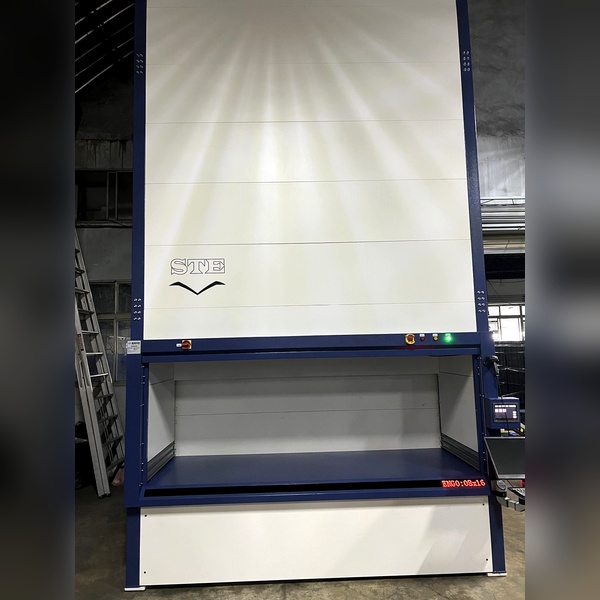
This project features the implementation of an automated storage system for the spare parts storage warehouse of a hand tool manufacturer. The system is a large 6-meter model with a single-load capacity of 300 kg, designed for the centralized storage, item inquiry, material preparation, and inbound/outbound management of parts and components.

Before the upgrade, the customer managed materials on open racks, which often resulted in inventory discrepancies, time-consuming material searches, excessive warehouse floor space usage, and unstable operational efficiency. Based on the customer’s on-site requirements, JY STE Technology introduced a large 6-meter vertical smart storage system. Through a material management system, vertical storage design, and a goods-to-person workflow, the solution helps overcome the limitations of conventional rack-based storage management.

After implementation, parts can be centrally managed and retrieved more quickly through the system, reducing reliance on individual experience and operator familiarity. Once the workflow was fully adopted, the customer was able to improve material preparation efficiency, inventory accuracy, and production support capability, creating a more standardized, accurate, and efficient spare parts storage operation.

Added to Inquiry list.
 
 
SPARE PARTS STORAGE CASE STUDY

Hand Tool Manufacturer|Spare Parts Storage Warehouse
Large 6 m, 300 kg Automated Storage System

This project involved the implementation of an automated storage system for a hand tool manufacturer’s spare parts warehouse. The client had previously relied on open shelving to manage components and materials, resulting in frequent inventory discrepancies, time-consuming material searches, excessive storage floor space and inconsistent operating efficiency. Following an on-site assessment, JunYao Technology introduced a large 6 m automated storage system with a 300 kg load capacity. Through vertical storage, an integrated material management system and a goods-to-person operating model, the solution helps reduce the storage footprint, lower dependence on operator experience and improve material preparation and production-line support efficiency.

6 m
System Height
300 kg
Load Capacity
Spare Parts
Centralized Storage
Goods-to-Person
Reduced Search Time
PROJECT OVERVIEW

Project Overview

The client originally used open shelving to store and manage spare parts. Although conventional shelves are straightforward to use during the initial stage, the increasing number and variety of materials gradually created inventory discrepancies, lengthy material searches, excessive floor-space requirements and unpredictable material preparation times. After the large 6 m, 300 kg automated storage system was introduced, spare parts could be centrally managed through a structured digital process. Employees can now follow standardized operating procedures to complete material storage, retrieval and preparation tasks, reducing dependence on individual experience and improving the stability of production-line support.

Industry
Hand Tool Manufacturing
Application
Spare Parts Warehouse
System Specification
Large 6 m System
Load Capacity
300 kg

1. Project Background: From Open Shelving to Smart Spare Parts Management

During our on-site assessment, JunYao Technology found that the client had long relied on open shelving to store and manage spare parts. Although conventional shelves allow materials to be placed quickly, they lack a comprehensive management mechanism. As material quantities and product varieties increased, inventory discrepancies, lengthy material searches and excessive space consumption gradually began to affect daily operating efficiency.

For a hand tool manufacturer, a spare parts warehouse is more than a storage area. Its performance directly affects material preparation speed, shipment schedules and the ability to support production lines. When material retrieval depends heavily on employee initiative, familiarity and experience, preparation and delivery times become difficult to control.

This project introduced a large 6 m automated storage system with a 300 kg load capacity, allowing spare parts to be stored centrally within a smart storage unit. Combined with a material management system and standardized operating procedures, the solution enables both new and experienced employees to perform retrieval tasks efficiently, improving workforce productivity and production-line support stability.

BEFORE / AFTER

Key Differences Before and After Implementation

Upgrading from open shelving, manual searching and experience-based management to a systematic, vertical and goods-to-person smart storage operation.

Before|Open-Shelf Storage Management

Before implementation, the client managed spare parts using open shelving. The lack of a comprehensive management mechanism frequently resulted in inventory discrepancies, lengthy material searches and excessive warehouse floor-space requirements.

  • Open shelving lacked a comprehensive management mechanism.
  • Inventory records frequently differed from actual stock quantities.
  • Employees spent considerable time searching for materials.
  • Material searching directly reduced workforce efficiency.
  • Conventional shelves could not effectively utilize vertical facility space.
  • The warehouse footprint remained difficult to reduce.
  • Material preparation depended heavily on employee initiative and experience.
  • Shipment and production support times were difficult to control.

After|Large 6 m Smart Spare Parts Storage System

Following implementation, spare parts were centralized within a systematic storage environment. The warehouse footprint was reduced, while material preparation shifted from experience-based work to a structured, system-guided process.

  • The large 6 m system makes effective use of vertical facility space.
  • The reduced warehouse footprint provides greater space-planning flexibility.
  • The material management system helps monitor material information and status.
  • Standardized procedures help reduce inventory discrepancies.
  • Material shortages and misplaced items can be reduced.
  • Operations are less dependent on individual experience and familiarity.
  • New employees can quickly complete material preparation tasks.
  • Workforce productivity and production-line support are improved.

2. Management Challenges Before Automated Storage

01

Inventory Discrepancies

Open shelving lacked a systematic management mechanism, making it easy for recorded inventory quantities to differ from the materials physically available on site.

02

Time-Consuming Material Searches

Employees spent substantial time searching through shelves, directly affecting workforce productivity and material preparation speed.

03

Excessive Warehouse Footprint

Conventional shelves could not effectively utilize the available facility height, leaving the warehouse footprint problem unresolved.

04

Dependence on Operator Experience

Material retrieval previously depended on employee initiative and familiarity, making preparation and shipment times difficult to maintain consistently.

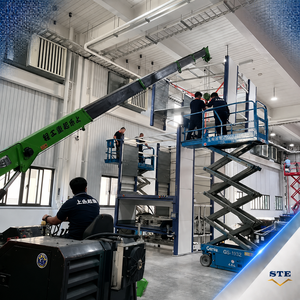
3. Initial Implementation: An Adjustment Period for the New Operating Model

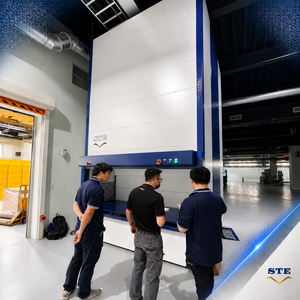
During the initial implementation stage, the operating method differed significantly from the client’s previous open-shelf workflow. As a result, operators did not immediately recognize all of the convenience and efficiency benefits provided by the new equipment. This adjustment period is common when companies transition from conventional shelving to a smart storage operating model.

However, the system delivered an immediate and visible reduction in the overall storage footprint, giving the client greater flexibility in the use of existing facility space. As employees became familiar with the standardized procedures and system operation, the benefits of faster material retrieval, improved preparation efficiency, more reliable inventory management and stronger production-line support became increasingly evident.

The value of an automated storage system therefore extends beyond the completion of equipment installation. Once the new operating process becomes established, the system continues to deliver improvements in workforce efficiency, space utilization, inventory accuracy and production support capability.

4. Solution: Large 6 m, 300 kg Automated Storage System

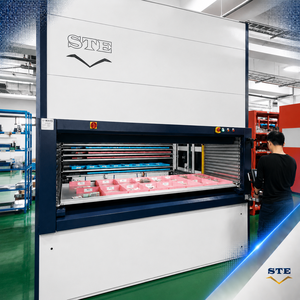
Based on the spare parts storage requirements of the hand tool manufacturer, JunYao Technology designed and implemented a large 6 m automated storage system with a 300 kg load capacity. The vertical storage design consolidates spare parts that were previously distributed across open shelves, transforming the operation from manual, experience-based storage into a systematic, standardized and traceable smart storage process.

Vertical Space Optimization

The large 6 m automated storage system utilizes facility height, reducing the floor space occupied by conventional shelving and providing greater flexibility for site planning.

Material Management System

The integrated material management system helps organize spare parts information and reduce inventory discrepancies, shortages and misplaced materials.

Standardized Material Preparation

Employees can follow the system instructions and standardized operating procedures to prepare materials, reducing reliance on individual familiarity and experience.

Goods-to-Person Operation

Required materials are delivered directly to the access opening, reducing the time employees spend walking between shelves and searching for spare parts.

5. Improvements After Automated Storage Implementation

Reduced Storage Footprint

The automated storage system significantly reduced the required warehouse area, allowing the client to use its existing facility space more flexibly.

Shorter Material Search Times

Material retrieval no longer depends solely on operator experience. Systematic management enables employees to complete preparation tasks more efficiently.

Lower Dependence on Operator Experience

Regardless of age, seniority or previous warehouse experience, employees can follow standardized procedures to prepare the materials required by the production line.

Improved Production-Line Support

A more stable material preparation process improves workforce productivity and production-line efficiency while reducing waiting and search time.

Improved Inventory Accuracy

The material management system and standardized procedures help reduce inventory discrepancies, material shortages and misplaced items.

More Consistent Storage Management

Once employees became familiar with the system, spare parts management became more standardized and less affected by individual operating differences.

 
SPARE PARTS SMART STORAGE VALUE

6. From Conventional Shelving to Smart Spare Parts Storage

The value of a spare parts storage system is not determined by the equipment alone, but by its ability to improve space utilization, inventory accuracy, material retrieval and production-line support. After the large 6 m, 300 kg automated storage system was introduced, the most immediate benefit was a substantial reduction in the warehouse footprint, giving the client greater flexibility in the use of existing facility space. Following the operational adjustment period, the material management system and standardized procedures further improved preparation efficiency while reducing long-standing problems such as inventory discrepancies, material shortages and time-consuming searches.

Space Optimization

The 6 m vertical storage design significantly reduces the warehouse floor area required.

Systematic Management

The material management system helps improve inventory accuracy and reduce material shortage problems.

Higher Operating Efficiency

Reduced reliance on operator experience creates a more stable material preparation and production support process.

BENEFITS

Summary of Implementation Benefits

Warehouse Space Savings

The large 6 m automated storage system expands storage vertically, reducing the floor space previously occupied by open shelving.

Improved Inventory Accuracy

The material management system and standardized procedures help reduce inventory variances and material shortages.

Faster Material Retrieval

System-guided material management reduces the time employees spend searching through shelves for spare parts.

Improved Production Efficiency

Employees of different experience levels can follow the system and standardized procedures to prepare materials efficiently and improve production-line support.

Applicable Industries and Storage Applications

Hand Tool Manufacturing Spare Parts Warehouse Maintenance Parts Management Large 6 m Automated Storage 300 kg Load Capacity Material Management System Goods-to-Person Operation Warehouse Space Optimization
JY STE SMART STORAGE SOLUTION

Looking to Improve Material Retrieval Efficiency and Space Utilization?

JunYao Technology provides customized automated storage, smart warehousing and spare parts management solutions based on material dimensions, load requirements, facility height, preparation workflows, inventory control and standardized operating procedures.

Contact Apex Equipment | www.jyste.tw
TOP