Rubber & Plastic Products Manufacturing

Leading Plastic Mold Manufacturer

Process Line-Side Warehouse
Features
Medium-Sized 9-Meter Automated Storage System to Improve Process Line-Side Warehouse Management Efficiency
Centralized Management of Molds and Fixtures to Improve the Handling of Diverse Item Types
Position Indication Function to Reduce Manual Judgment Errors
Separated Management Design to Improve Material Search Efficiency
Four-Level Operation Access Control to Strengthen Valuable Material Control
Cross-Floor Automated Storage Design to Integrate Logistics Between the First and Second Floors
Vertical Storage Design to Improve Factory Space Utilization
Real-Time Material Information Updates to Reduce Inventory Discrepancies

Description

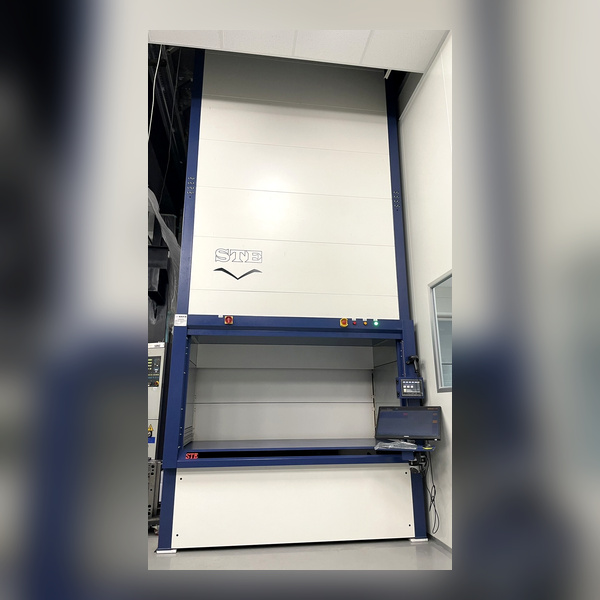
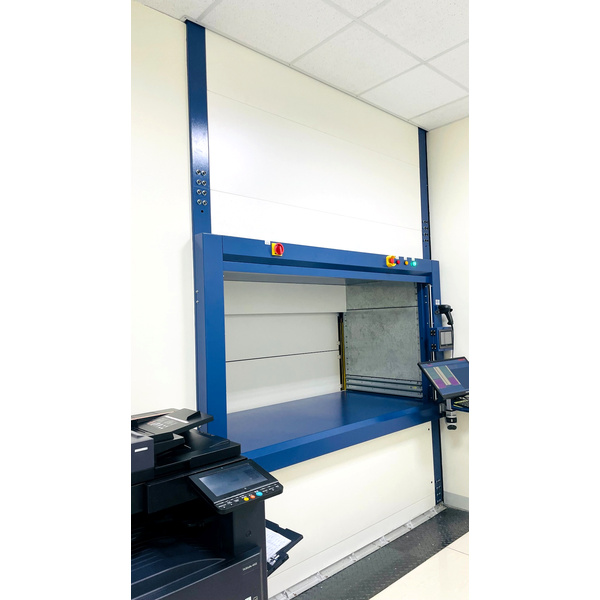
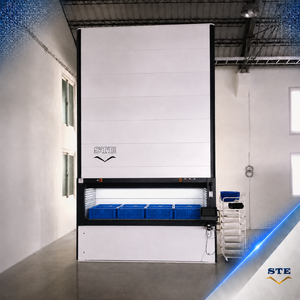
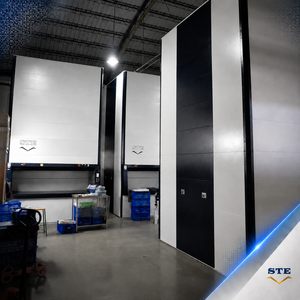
This project showcases the implementation of an automated storage system for the process line-side warehouse of a leading plastic mold manufacturer. The system is a medium-sized 9-meter model with a single-load capacity of 500 kg, designed for the centralized storage, classified management, and cross-floor handling of molds, fixtures, mold cores, and semi-finished products.

Before the upgrade, the customer relied on conventional steel racks to manage materials. Because of the wide variety of mold specifications, the complexity of mold core types, and the storage of valuable materials in open areas, the operation faced a number of challenges, including difficult visual identification, limited material control, inconvenient cross-floor handling, excessive floor space usage, and inventory discrepancies.

To address these issues, JY STE Technology introduced a medium-sized 9-meter vertical smart storage system tailored to the site requirements. The solution incorporates position indication, separated storage management, four-tier access control, and a cross-floor access design, helping the customer overcome the limitations of traditional line-side warehouse management.

After implementation, molds, fixtures, and semi-finished products can be centrally managed through the system, while also supporting inbound and outbound operations between the first and second floors. This not only improves search efficiency and inventory accuracy, but also strengthens control over valuable materials and enhances space utilization, resulting in a more precise, secure, and efficient process line-side warehouse operation.
Added to Inquiry list.
 
 
PLASTIC MOLD LINE-SIDE STORAGE CASE STUDY

Plastic Mold Factory | Production Line-Side Warehouse
Medium-Sized 9 m, 500 kg Automated Storage Case Study

This project involved the installation of an automated storage system for the production line-side warehouse of a plastic mold manufacturer. The customer previously used iron racks to store molds, mold inserts, fixtures, and related materials. Because the molds varied widely in size and design and were difficult to identify by appearance, material retrieval, classification, and inventory control were inefficient. Valuable materials were stored in an open area, cross-floor movement depended on a freight elevator, and conventional racks occupied substantial floor space. After evaluation, a medium-sized 9 m, 500 kg automated storage system was introduced. Its location indicator, compartmentalized storage, four-level access control, cross-floor access design, and real-time inventory updates improved the management of molds, fixtures, mold inserts, and semi-finished products.

9 m
Medium-Sized Automated Storage Height
500 kg
Load Capacity
Cross-Floor
Integrated 1F / 2F Inbound and Outbound Operations
4 Access Levels
Role-Based Operation Management
PROJECT OVERVIEW

Project Overview

The plastic mold manufacturer originally used iron racks to store molds, mold inserts, and related production materials. Because mold specifications and designs varied widely, appearance-based identification was difficult, while the types and quantities of mold inserts were also complex to manage. After introducing the medium-sized 9 m, 500 kg automated storage system, molds and fixtures could be managed centrally, while the remaining storage capacity could be used for semi-finished products. Location indication, compartmentalized storage, role-based access control, cross-floor inbound and outbound operations, and real-time inventory updates helped address the limitations of conventional rack storage, manual cross-floor handling, and inventory discrepancies.

Industry
Plastic Mold Manufacturing
Application
Production Line-Side Warehouse
System Specification
Medium-Sized 9 m
Load Capacity
500 kg

1. Project Background: More Accurate Line-Side Management for Molds, Fixtures, and Mold Inserts

Material management in plastic mold manufacturing commonly involves molds, fixtures, mold inserts, and semi-finished products. Mold and insert specifications vary widely, and many items have similar appearances. When managed only with conventional iron racks and manual identification, retrieval becomes time-consuming, classification becomes difficult, and actual inventory quantities are harder to control.

The customer originally stored materials on iron racks. Valuable materials were kept in an open space without reliable access control. Cross-floor movement also depended on a freight elevator, increasing handling steps, labor time, and internal traffic.

After the installation of the medium-sized 9 m, 500 kg automated storage system, vertical storage, cross-floor access, location indication, and access-level control enabled more centralized management of molds and fixtures, while mold inserts and semi-finished products could be stored in a more organized manner.

BEFORE / AFTER

Key Differences Before and After Installation

The operation was upgraded from conventional iron racks, manual identification, open storage of valuable materials, and freight-elevator handling to cross-floor automated storage with location indication and role-based access control.

Before Installation | Conventional Iron Racks and Manual Cross-Floor Handling

Before installation, the customer used iron racks as the primary storage solution. Mold specifications and designs varied widely, mold insert types were complex, and items were difficult to identify by appearance. Valuable materials were stored in an open area, while cross-floor movement depended on a freight elevator. These conditions limited material management efficiency and factory space utilization.

  • The original storage solution used iron racks.
  • Molds varied in specification and type, making them difficult to manage and identify.
  • Mold inserts varied in type and were difficult to manage by quantity and category.
  • Valuable materials were difficult to control in an open storage area.
  • Materials moving between floors had to be transported by freight elevator.
  • Conventional racks occupied substantial floor space, resulting in low factory utilization.
  • Actual inventory quantities could not be accurately tracked, causing inventory discrepancies.

After Installation | Medium-Sized 9 m Cross-Floor Automated Storage

After installation of the medium-sized 9 m, 500 kg automated storage system, molds and fixtures could be managed centrally, while the remaining space could be used for semi-finished products. The system's location indicator, compartmentalized storage, four-level access control, and cross-floor access design improved material retrieval, permission control, and inbound and outbound efficiency.

  • The medium-sized 9 m automated storage system centrally manages molds and fixtures.
  • Remaining storage capacity can be used for semi-finished products.
  • The location indicator eliminates the need for visual identification.
  • Compartmentalized storage makes materials easier to classify and locate.
  • Four access levels provide role-based data visibility and operational restrictions.
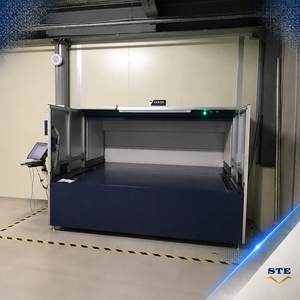
  • The cross-floor design supports access on the first floor and inbound or outbound operations on the second floor.
  • Material information is updated in real time to reduce inventory discrepancies.

2. Management Challenges Before Automated Storage Installation

01

Multiple Mold Specifications and Difficult Visual Identification

Molds varied widely in specification and design. Managing them through iron racks and manual judgment made retrieval and classification difficult.

02

Complex Mold Insert Types and Quantities


Mold inserts varied in type and quantity. Without systematic management, inventory control became more difficult.

03

Open Storage Risks for Valuable Materials


Valuable materials stored in open areas could not be reliably controlled by user permissions or data visibility.

04

Cross-Floor Movement Depended on Freight Elevators


Materials moving between floors required freight-elevator handling, adding steps and increasing labor time.

05

Large Rack Footprint and Inventory Discrepancies

Conventional racks occupied substantial floor space, reduced factory utilization, and made actual inventory quantities difficult to track.

3. Solution: Medium-Sized 9 m, 500 kg Cross-Floor Automated Storage

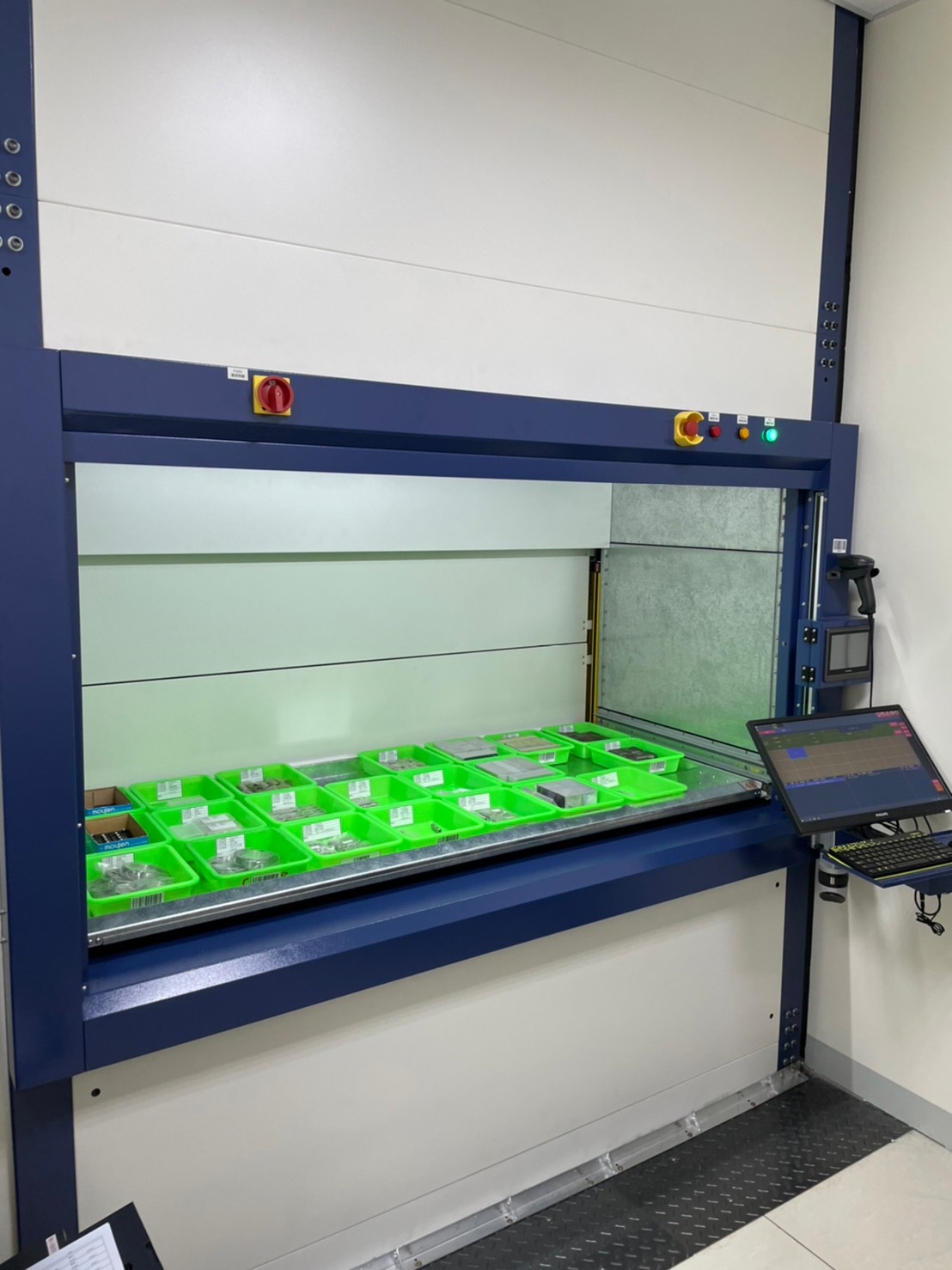
Based on the production line-side storage requirements of the plastic mold manufacturer, a medium-sized 9 m, 500 kg automated storage system was selected. After installation, molds and fixtures could be managed centrally, while the remaining capacity could be used for semi-finished products. The location indicator allows operators to locate materials without relying on visual identification. Compartmentalized storage also organizes molds, mold inserts, fixtures, and semi-finished products more clearly. The system provides four access levels, allowing each user to have an independent account and password. Role settings define data visibility and operational permissions.

Centralized Mold and Fixture Management
 

The medium-sized 9 m automated storage system centralizes molds and fixtures, while the remaining space can be allocated to semi-finished products.

Location Indication and Compartmentalized Storage

The location indicator reduces reliance on manual judgment, while compartmentalized storage improves classification and retrieval.

Four-Level Access Control
 

Independent user accounts, passwords, and role-based permissions control data visibility and system operations.

Cross-Floor Inbound and Outbound Design

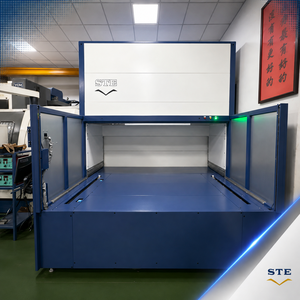
Materials can be accessed on the first floor and handled for inbound or outbound operations on the second floor, reducing dependence on freight elevators.

4. Cross-Floor Automated Storage Design: Integrating First- and Second-Floor Logistics

01

First-Floor Inbound

Materials can enter the automated storage system from the first floor, reducing conventional cross-floor handling and freight-elevator use.

02

First-Floor Outbound

Materials can also be retrieved on the first floor according to production and workflow requirements.

03

Second-Floor Picking / Outbound

Materials can be picked or retrieved from the second floor, centralizing and improving cross-floor logistics.

5. Improvements After Automated Storage Installation

Improved Mold and Fixture Management Efficiency

Centralized storage reduces retrieval time and management difficulty caused by dispersed iron-rack storage.

Reduced Manual Identification Errors
 

The location indicator eliminates reliance on appearance-based identification and reduces errors caused by similar molds and mold inserts.

Enhanced Control of Valuable Materials
 

Four access levels restrict data visibility and system operations according to user roles.

Improved Cross-Floor Logistics

The cross-floor automated storage design integrates inbound and outbound workflows between the first and second floors.

Reduced Inventory Discrepancies

Real-time material information makes actual quantities easier to track and reduces inconsistencies between records and physical inventory.

Improved Factory Space Utilization

The 9 m vertical design uses overhead space more effectively and reduces the floor area required by conventional racks.

 
MOLD SMART STORAGE VALUE

6. From Iron-Rack Storage to Cross-Floor Automated Storage for Plastic Mold Production

Production line-side storage for plastic mold manufacturing must manage a wide range of molds, mold inserts, fixtures, and semi-finished products, including materials with relatively high value. Conventional iron-rack storage is limited by visual identification, floor-space requirements, inventory accuracy, and cross-floor handling. With the medium-sized 9 m, 500 kg automated storage system, location indication, compartmentalized storage, four-level access control, cross-floor access, and real-time information updates allow materials to be accessed on the first floor and picked or retrieved on the second floor, creating a more efficient and controlled line-side storage process.

9 m Height

Uses vertical space effectively and reduces the footprint of conventional racks.

Cross-Floor Access

Integrates first- and second-floor inbound and outbound operations.

Access-Level Control

Four access levels strengthen the control of valuable materials.

BENEFITS

Summary of Installation Benefits

Centralized Mold and Fixture Management

Molds and fixtures are managed centrally, while remaining capacity can store semi-finished products and improve line-side storage flexibility.

Improved Material Retrieval

Location indication and compartmentalized storage reduce manual identification and improve retrieval speed.

Stronger Access Control

Four access levels restrict data visibility and operational permissions according to user roles.

Improved Cross-Floor Logistics

Materials can be accessed on the first floor and picked or retrieved on the second floor, reducing freight-elevator dependence.

Applicable Industries and Applications

Plastic Mold Manufacturing Production Line-Side Warehouse Medium-Sized 9 m Automated Storage 500 kg Material Storage Mold and Fixture Management Mold Insert Management Cross-Floor Automated Storage Four-Level Access Control
JYSTE SMART STORAGE SOLUTION

Need to Improve Mold, Mold Insert, and Cross-Floor Material Management?

JY STE provides integrated automated storage and production line-side material management solutions based on mold dimensions, mold insert categories, load requirements, factory height, cross-floor access, access-level control, and real-time inventory update requirements.

Contact JY STE | +886-4-2384-5678
TOP