Precision Instrument-Related Manufacturing

Precision Transmission Component Manufacturer
Process Line-Side Warehouse
Features
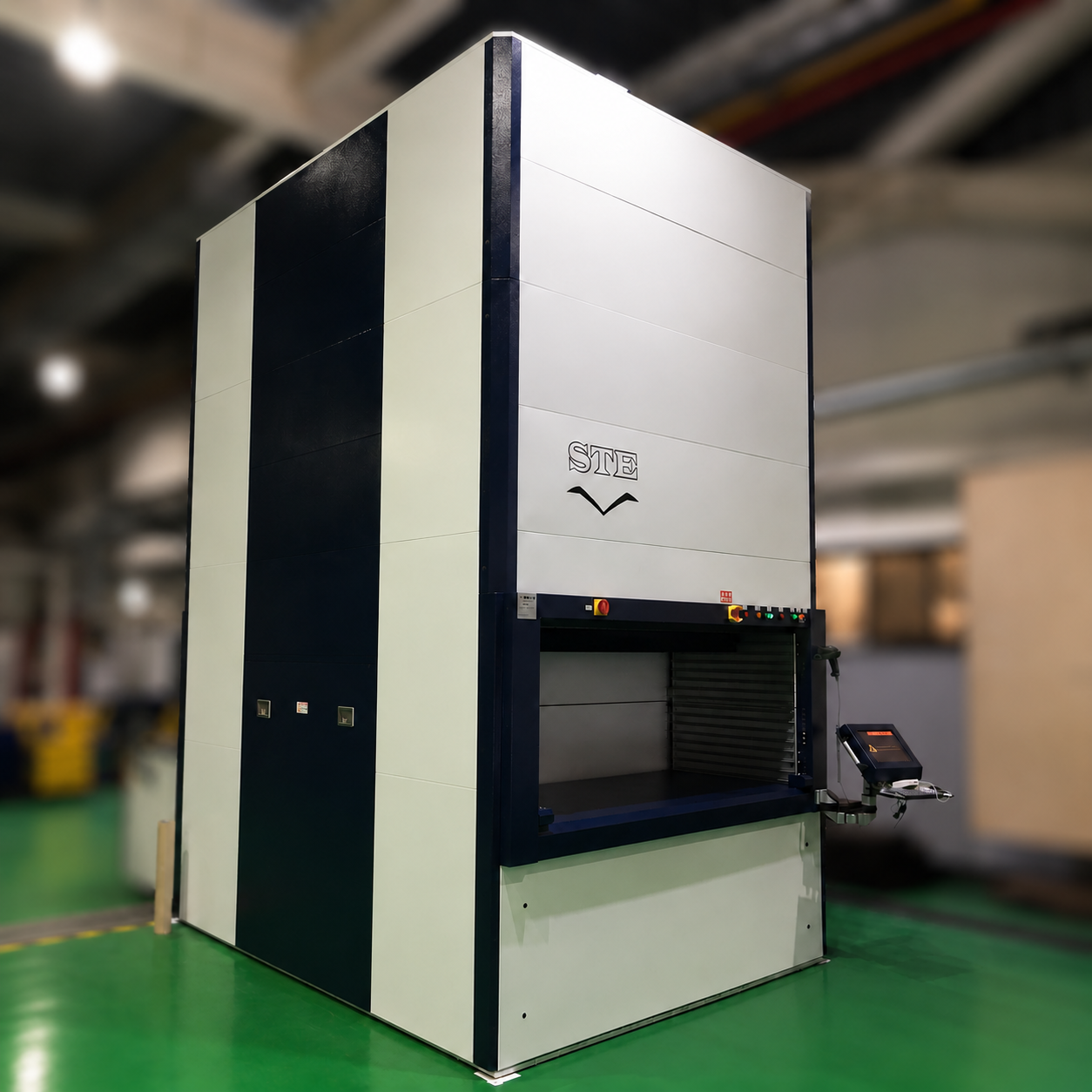
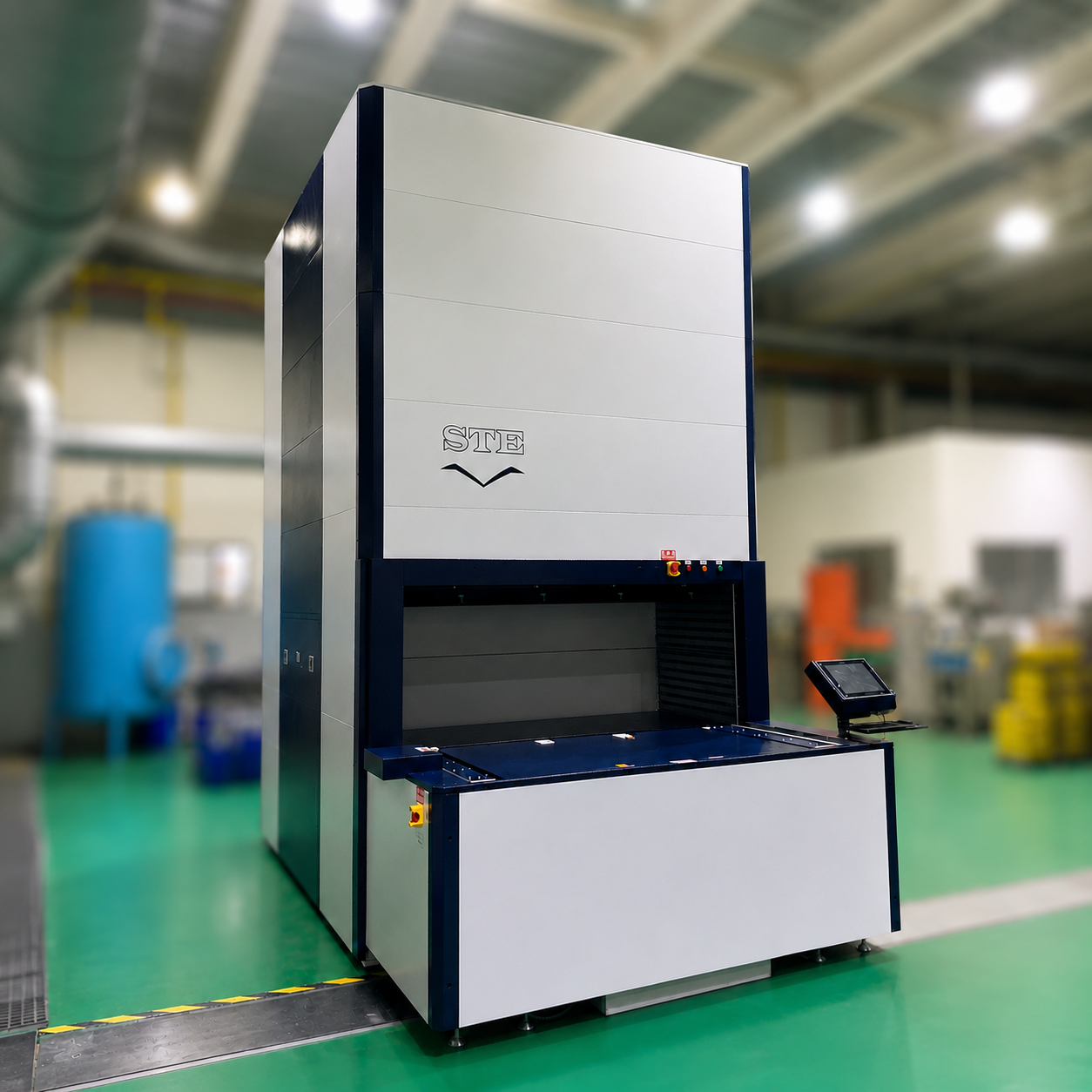
Medium-Sized 4-Meter Automated Storage System to Support Process Line-Side Automation
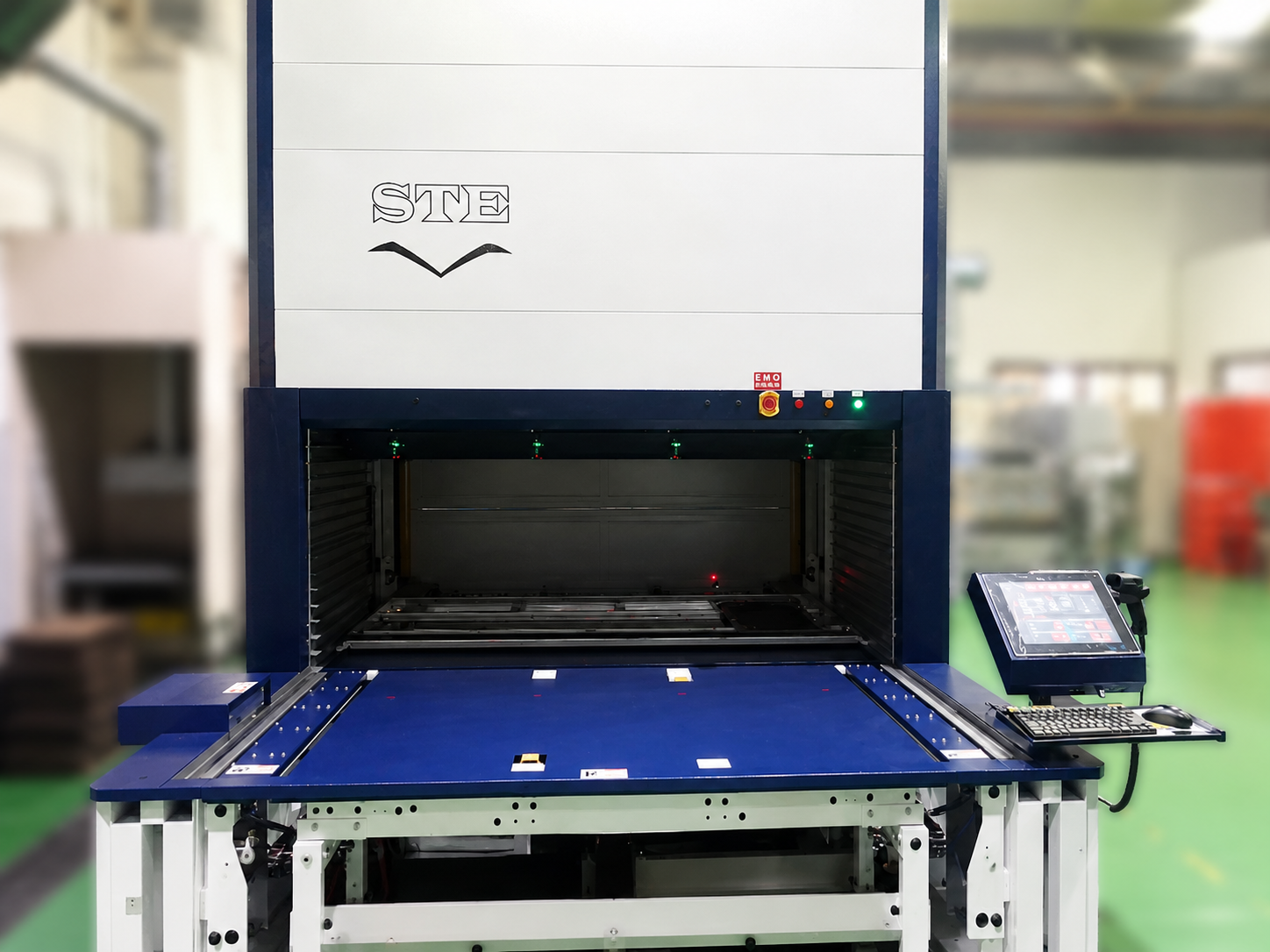
Dual Output Port Design for Both Automatic and Manual Operation Flexibility
Automatic Transfer Connected with the Production Line to Reduce Manual Labor
Systematic Management of Production Line Materials to Improve Production Efficiency
Vertical Storage Design to Reduce Floor Space Occupancy
Real-Time Material Information Updates to Reduce Inventory Discrepancies
Layered Management and Automatic Material Retrieval to Reduce Picking Errors
Enclosed Storage with a Dehumidifier to Reduce the Risk of Material Rust

Description

This project features the implementation of an automated storage system for the process line-side warehouse of a precision transmission component manufacturer. The system is a medium-sized 4-meter model with a single-load capacity of 300 kg, designed for automated storage and retrieval, line-side material supply, and moisture-protected storage of production materials.

Before the upgrade, the customer relied heavily on manual operations for picking, material loading, and day-to-day material management. This not only increased labor and handling time, but also led to issues such as inventory discrepancies, picking errors, limited space utilization, and material rust caused by moisture exposure.

To address these challenges, JY STE Technology introduced a medium-sized 4-meter automated storage system with dual output ports and integrated it with the customer’s automatic transfer equipment. This solution helps the production line move toward a more automated and systematic material management model.

After implementation, materials can be stored and retrieved quickly and accurately through the automated storage system, while automatic transfer integration further streamlines line-side supply and reduces manual handling and decision-making time. In addition, vertical storage, real-time inventory updates, layered management, and an internal dehumidification design improve space utilization, inventory accuracy, operational efficiency, and material preservation quality.
Added to Inquiry list.
 
 
PRECISION TRANSMISSION LINE-SIDE STORAGE CASE STUDY

Precision Transmission Component Factory | Process Line-Side Warehouse
Medium-Sized 4 m 300 kg Automated Storage System Case Study

This project presents an automated storage implementation for the process line-side warehouse of a precision transmission component factory. The customer’s original workflow relied heavily on manual picking, feeding, and material management, resulting in time-consuming labor, inventory discrepancies, picking errors, inefficient space utilization, and rust caused by humidity. Based on the customer’s production automation requirements, JY STE planned a medium-sized 4 m, 300 kg automated storage system with dual access openings and integrated it with the customer’s automatic material transfer equipment, upgrading the production line toward automated, systematic, and humidity-controlled material management.

4 m
Medium-Sized System Height
300kg
Load Capacity
Dual Access Openings
Automatic + Manual Operation
Dehumidification and Rust Prevention
Enclosed Storage Management
PROJECT OVERVIEW

Project Overview

To improve its existing manufacturing process and introduce an automated production line, the precision transmission component factory needed to enhance line-side material access efficiency, inventory accuracy, and humidity-controlled storage. Before implementation, manual picking and feeding were labor-intensive, the existing storage method occupied excessive floor space, and visually similar materials were difficult to identify, increasing the risk of picking and machining errors. After implementing the medium-sized 4 m, 300 kg automated storage system, the customer improved production-line material management and process stability through dual access openings, automatic transfer integration, real-time material information updates, hierarchical management, and enclosed dehumidified storage.

Industry
Precision Transmission Component Manufacturing
Application
Process Line-Side Warehouse
System Specification
Medium-Sized 4 m
Load Capacity
300kg

1. Project Background: Upgrading Line-Side Material Management for Production Automation

Precision transmission component manufacturing requires high levels of material accuracy, inbound and outbound efficiency, and storage-environment control. As the customer improved its existing process and introduced an automated production line, the original manual management and conventional storage methods could no longer effectively support the upgraded workflow.

Before implementation, personnel were still required to perform picking, feeding, and material management. These processes were time-consuming and labor-intensive, limiting production capacity. The conventional storage method also occupied substantial floor space, while the lack of real-time quantity visibility frequently caused inventory discrepancies.

Because some materials had similar appearances and the storage environment was humid, picking errors or rusted materials could further affect machining quality. The customer therefore required a line-side storage solution integrating automated storage and retrieval, automatic transfer, hierarchical material management, and humidity and rust prevention.

2. Implementation Solution: Medium-Sized 4 m, 300 kg Smart Storage with Dual Access Openings

01

Medium-Sized 4 m Automated Storage System

A medium-sized 4 m, 300 kg automated storage system was implemented to meet line-side storage requirements and improve vertical space utilization.

02

Dual Access Opening Design


One automatic access opening and one manual access opening support different workflows and on-site operating requirements.

03

Automatic Transfer Integration


The system is integrated with the customer’s automatic transfer equipment to connect storage with the production line and improve material supply efficiency.

04

Enclosed Dehumidified Storage


The enclosed storage design includes an internal dehumidifier to reduce moisture exposure and the risk of material rust.

BEFORE / AFTER

Key Differences Before and After Implementation

The operation was upgraded from manual picking, conventional storage, inventory discrepancies, and humidity-related rust risk to dual access openings, automatic transfer, real-time inventory updates, and enclosed dehumidified management.

Before | Manual Picking and Conventional Storage Management

Before implementation, line-side materials relied heavily on manual management. Manual picking and feeding were time-consuming and labor-intensive, while the existing process also required manpower management, limiting production capacity. Conventional storage occupied substantial floor space and lacked real-time quantity visibility, increasing the risk of inventory discrepancies and incorrect material selection.

  • Line-side storage management had to be improved alongside the automated production line.
  • Manual picking and feeding were time-consuming and labor-intensive.
  • The existing process relied on manpower management, limiting production capacity.
  • The existing storage method occupied substantial floor space and reduced plant utilization.
  • Actual quantities could not be accurately tracked, causing inventory discrepancies.
  • Similar-looking materials were difficult to identify, and incorrect picking could cause machining errors.
  • The storage area was humid, causing materials to rust.

After | Medium-Sized 4 m Smart Process Line-Side Warehouse

After implementing the medium-sized 4 m, 300 kg automated storage system, materials could be stored and retrieved quickly and accurately through the dual access opening design and automatic transfer integration with the production line, reducing dependence on manpower. The enclosed storage system with an internal dehumidifier also improved moisture and rust prevention.

  • Implemented a 4 m medium-sized automated storage system with one automatic and one manual access opening.
  • Integrated the customer’s automatic transfer equipment for material handling and production-line connection.
  • Fast and accurate automated storage and retrieval reduced manpower requirements.
  • Production capacity and production-line management efficiency were improved.
  • Vertical storage substantially reduced the required floor area.
  • Real-time warehouse material updates reduced inventory discrepancies.
  • Hierarchical management reduced the need for manual material identification and lowered picking errors.
  • An internal dehumidifier in the enclosed storage system supported rust prevention.

3. Management Challenges Before Automated Storage Implementation

01

Labor-Intensive Manual Picking and Feeding

Line-side material management depended on manual operations. The time required for picking and feeding limited improvements in production-line efficiency.

02

Low Plant Space Utilization

The existing storage method occupied substantial floor space and failed to use vertical space effectively, resulting in inefficient plant utilization.

03

Inventory Discrepancies and Picking Errors

Actual quantities could not be accurately tracked, while similar-looking materials were difficult to identify, increasing the risk of inventory discrepancies and incorrect picking.

04

Humidity-Related Material Rust

The original storage area was humid, causing materials to absorb moisture and rust, affecting storage quality and subsequent machining stability.

4. Solution: Automated Storage + Automatic Transfer + Dehumidification and Rust Prevention

Based on the process line-side storage requirements of the precision transmission component factory, JY STE planned a medium-sized 4 m, 300 kg automated storage system with dual access openings. One access opening is integrated with the customer’s automatic transfer equipment to connect with the production line, while the other supports manual operation. After implementation, materials can be stored and retrieved quickly and accurately, while hierarchical management reduces the need for manual identification. Real-time warehouse material updates reduce inventory discrepancies, and the internal dehumidifier in the enclosed storage system helps prevent rust caused by humidity.

Dual Access Opening Design

Automatic and manual access openings support both production-line integration and on-site manual operation.

Automatic Transfer Integration

The customer’s automatic transfer equipment connects stored materials directly to the process line, improving material supply efficiency.

Real-Time Material Information Updates

Warehouse material information is updated in real time, making actual quantities easier to track and reducing inventory discrepancies.

Enclosed Dehumidified Storage

An internal dehumidifier in the enclosed storage system improves material preservation in humid environments and reduces rust risk.

5. Improvements After Automated Storage Implementation

Reduced Manual Picking Workload
 

The automated storage system stores and retrieves materials quickly and accurately, reducing manual picking and feeding time.

Improved Production-Line Management Efficiency

Automatic transfer integration improves production capacity and enables more efficient line-side material management.

Reduced Floor-Space Requirements
 

Vertical storage substantially reduces floor-space usage and improves plant utilization.

Reduced Inventory Discrepancies

Real-time warehouse material updates make actual quantities easier to track and reduce inventory inconsistencies.

Reduced Picking Errors

Hierarchical management eliminates reliance on manual material identification and reduces the risk of selecting similar-looking materials incorrectly.

Improved Rust Prevention

The enclosed storage system with an internal dehumidifier reduces the impact of humidity on material preservation.

 
LINE-SIDE AUTOMATION STORAGE VALUE

6. From Manual Line-Side Management to Automatic Transfer and Humidity-Controlled Storage

The key requirement for a precision transmission component line-side warehouse is the ability to supply materials to the production line quickly and accurately while maintaining inventory accuracy and storage quality. After implementing the medium-sized 4 m, 300 kg automated storage system, the dual access opening design, automatic transfer integration, real-time material updates, and enclosed dehumidified storage transformed the original manually managed line-side warehouse into a smart storage system that supports process automation, reduces picking errors, and improves material preservation.

Dual Access Openings

Automatic and manual access configurations support different operating scenarios.

Automatic Transfer

Connection with the production line improves line-side material supply efficiency.

Dehumidification and Rust Prevention

An internal dehumidifier in the enclosed storage system reduces moisture exposure and rust.

BENEFITS

Implementation Benefits

Higher Level of Automation

Dual access openings and automatic transfer equipment support the automation of the existing production process.

Lower Manual Operating Costs

Fast and accurate automated storage and retrieval reduce manual picking, feeding, and identification time.

Improved Inventory Accuracy

Real-time material information updates reduce discrepancies caused by inaccurate quantity tracking.

Improved Material Preservation

The enclosed storage system with a dehumidifier helps reduce humidity exposure and the risk of rust.

Applicable Industries and Applications

Precision Transmission Component Manufacturing Process Line-Side Warehouse Medium-Sized 4 m Automated Storage System 300 kg Material Storage Dual Access Opening Design Automatic Transfer Integration Hierarchical Management Enclosed Dehumidified Storage
JY STE SMART STORAGE SOLUTION

Ready to Upgrade Line-Side Storage with Automation and Humidity Control?

JY STE provides integrated automated storage, smart storage, and process line-side automation solutions based on material dimensions, load capacity, plant height, dual access openings, automatic transfer, hierarchical management, real-time material information, and dehumidification and rust-prevention requirements.

Contact Apex Equipment | +886-4-2384-5678
TOP