
 0
0



PROJECT PERFORMANCE
- Home
- PROJECT PERFORMANCE
- Government & Representative Institutions
- Taichung-Changhua-Nantou Regional Branch, Workforce Development Agency, Ministry of Labor


Government & Representative Institutions
Taichung-Changhua-Nantou Regional Branch, Workforce Development Agency, Ministry of Labor
Improve Factory Efficiency
- Features
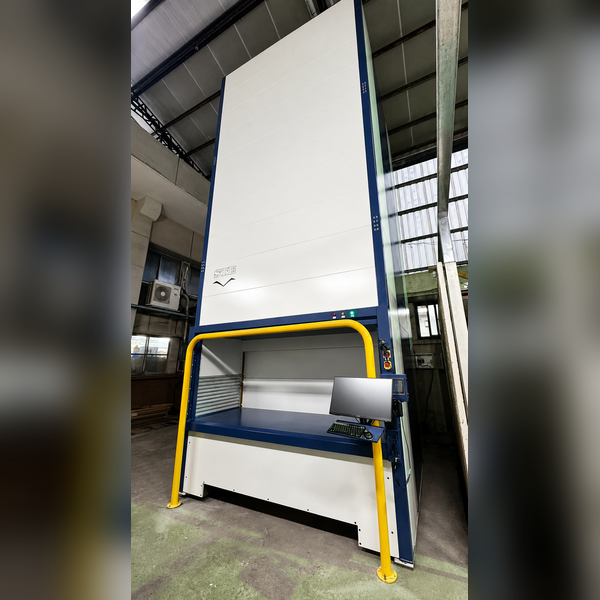
- Extra-Large 7-Meter Automated Storage System to Improve Storage Efficiency in the Educational Factory
- Centralized Storage of Processing Machinery to Improve Traffic Flow in the Training Area
- Full Use of the 7.5-Meter Height Limit to Improve Vertical Space Utilization
- Used with an Electric Forklift to Improve Loading and Unloading Safety
- Unified Management of Equipment and Raw Materials to Improve On-Site Management Efficiency
- Shortens Inbound and Outbound Material Handling Time and Simplifies Educational Factory Workflows
- Frees Up Teaching and Operation Space to Improve Site Utilization Quality
- Manufactured by a Domestic Original Manufacturer to Support Customization Requirements
Description
This project features the implementation of an automated storage system for the training factory of the Taichung-Changhua-Nantou Regional Branch, Workforce Development Agency, Ministry of Labor. The system is an extra-large 7-meter model with a single-load capacity of 500 kg, mainly used for the storage and management of woodworking factory processing machinery, raw materials, and teaching-related items.The Taichung-Changhua-Nantou Regional Branch has long been committed to vocational training and hands-on instruction. To improve the efficiency of the training factory and enhance the quality of the teaching environment, the branch introduced JY STE Technology’s vertical automated storage system.
Through centralized storage, tray-based management, electric stacker-assisted loading and unloading, and a vertical storage design, the system helps improve issues such as scattered placement of processing machinery, obstructed on-site traffic flow, and difficulty in managing equipment and raw materials.
After implementation, the training factory can effectively save floor space, improve inbound and outbound handling efficiency, and enhance overall workplace organization. The upgraded teaching environment better meets the needs of modern, automated, and intelligent training, further strengthening students’ hands-on learning conditions and teaching quality.
